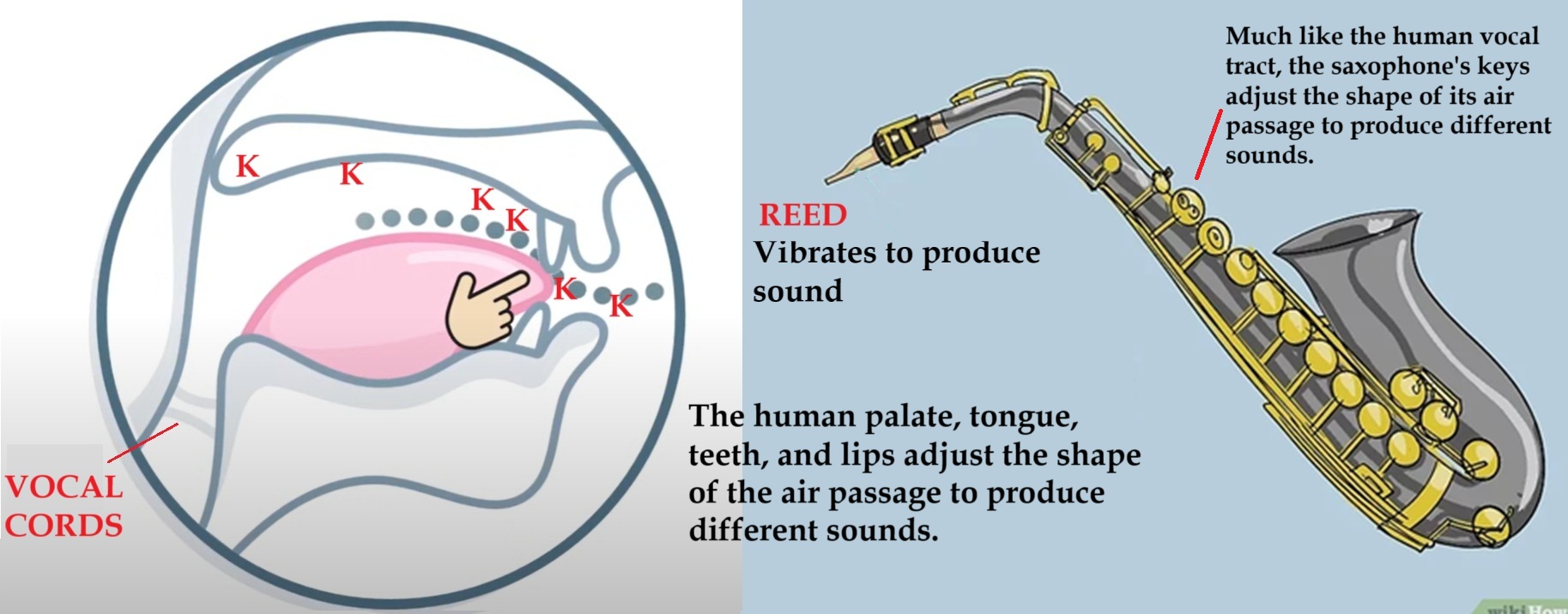
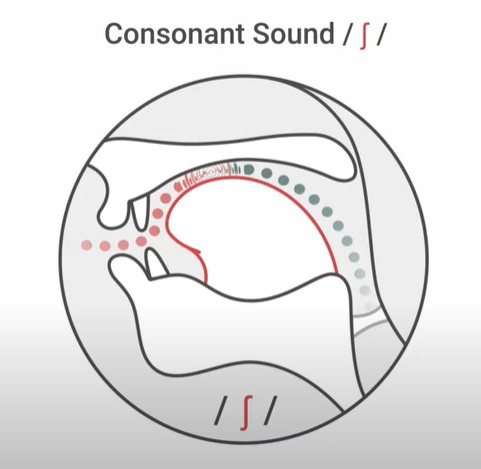
Grammar: Prepositions of time. Pronunciation tips: “sh” sound, as in “Ship”
AUDIO
Use the audio player at the bottom of the screen to listen.
FULL TEXT
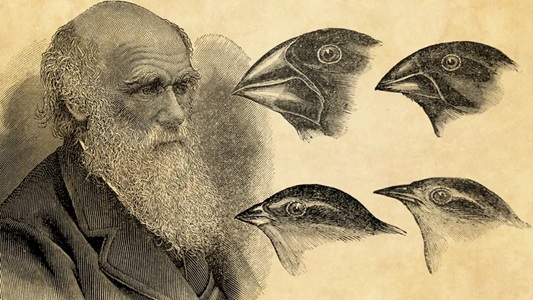
Charles Darwin was a famous scientist from England. He was born on February 12, 1809, in a town called Shrewsbury. At a young age, Darwin loved nature and animals. He studied science at the University of Cambridge.
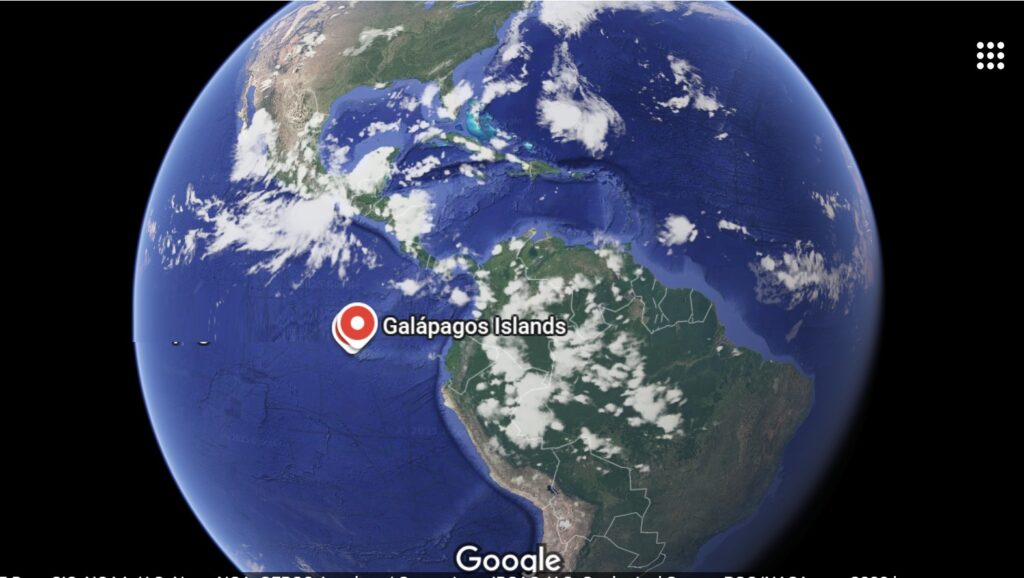
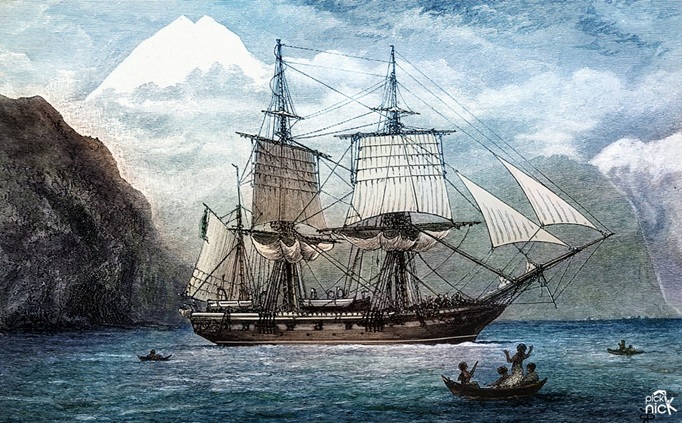
In 1831, Darwin got on a ship called the HMS Beagle. The ship sailed around the world for five years. During this time, Darwin visited many places. One of the most important places he visited was the Galápagos Islands, in the Pacific Ocean.
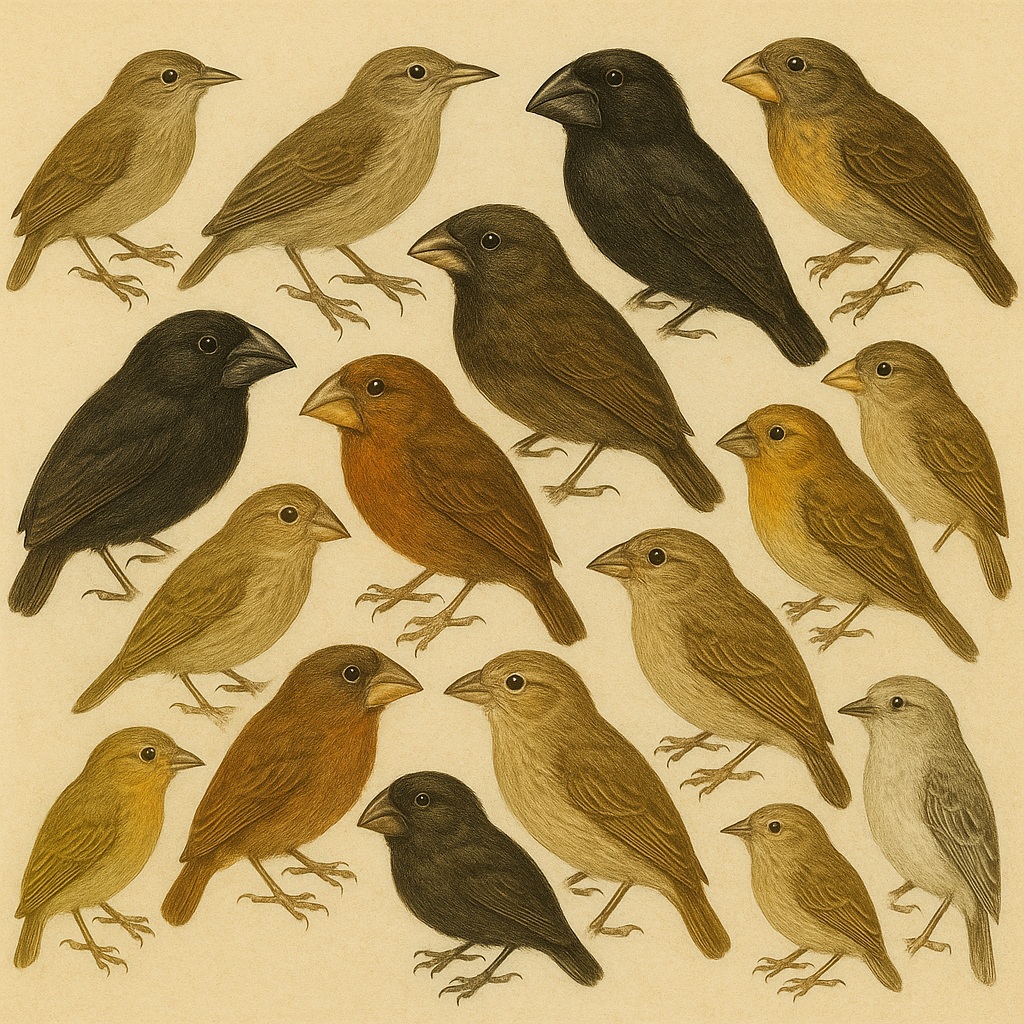
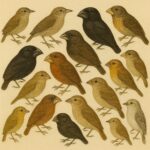
On the Galápagos Islands, Darwin saw many animals that were different from those in other places. He noticed that the finches (a type of bird) had different beaks on different islands. This made him think about how animals change over time.
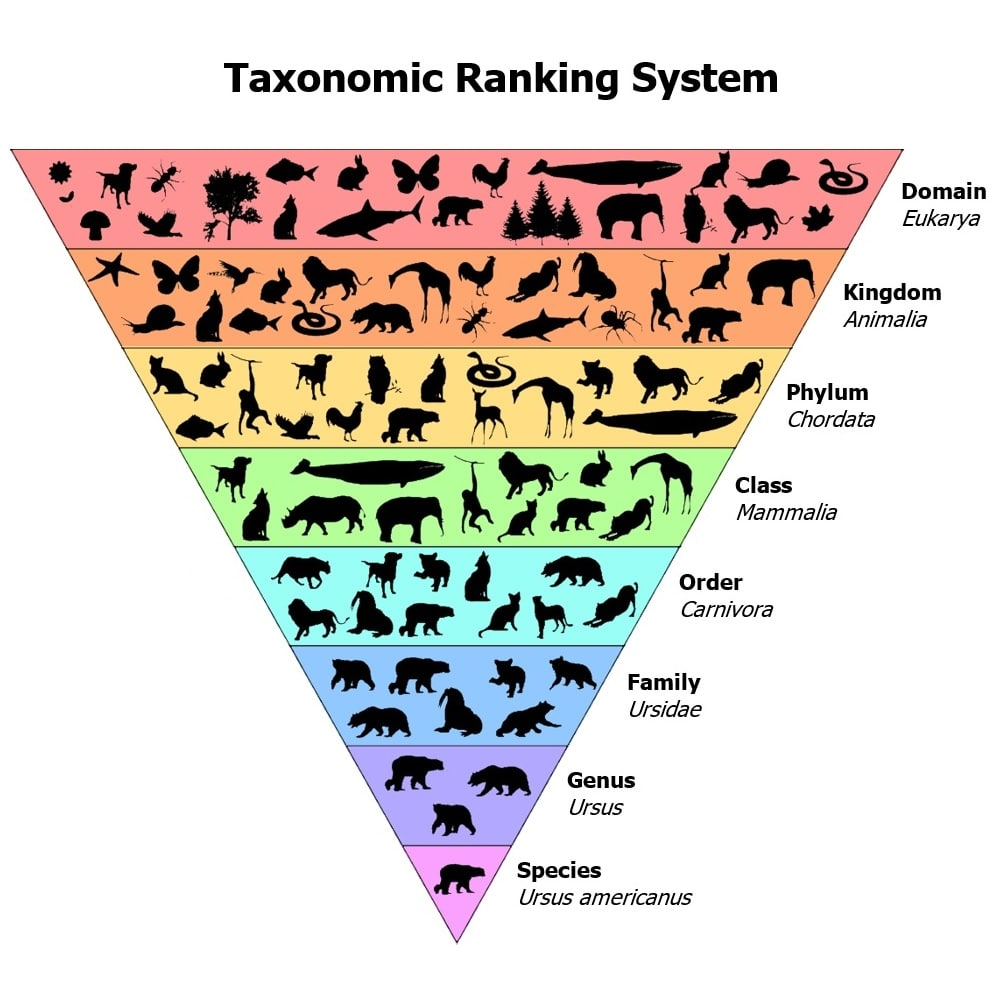
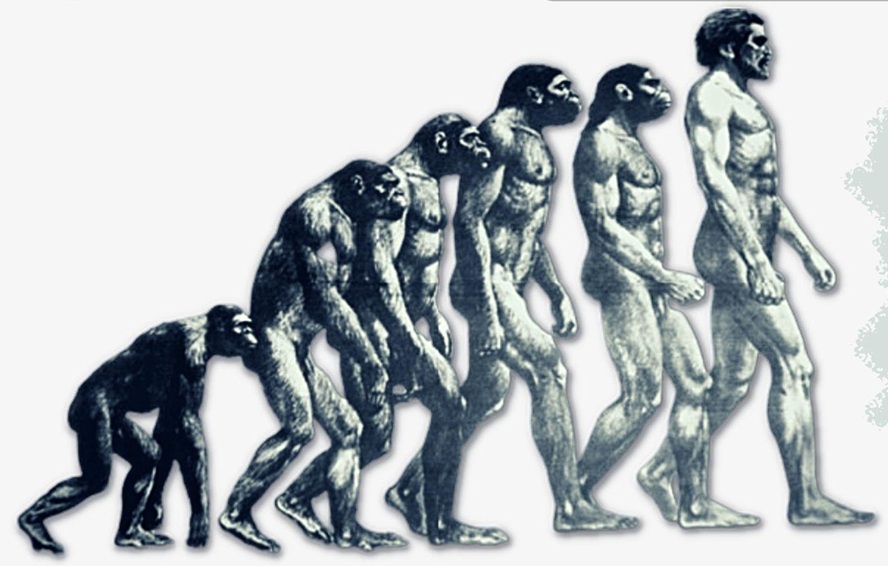
After his trip, Darwin worked for many years to study his notes and ideas. In 1859, he published a book called The Origin of Species. In this book, Darwin explained his theory of evolution and natural selection. He said that animals and plants change slowly over time to survive better in their environment.
The Galápagos Islands played a big role in helping Darwin understand how species change. His visit to the islands was one of the most important moments in his life.
The Galápagos Islands are a group of islands in the Pacific Ocean. They belong to the country of Ecuador, which is in South America. The islands are about 1,000 kilometers west of Ecuador’s coast.
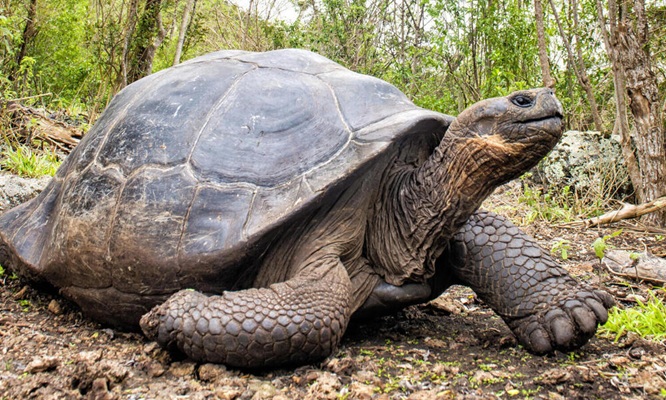
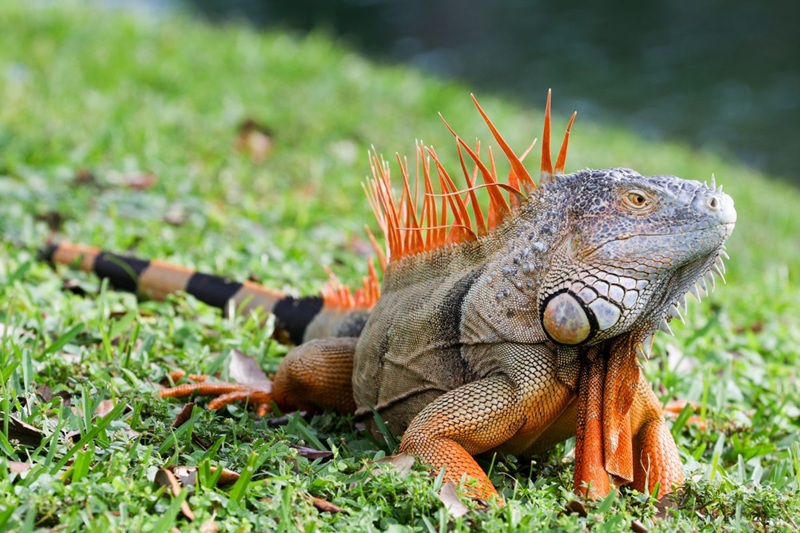
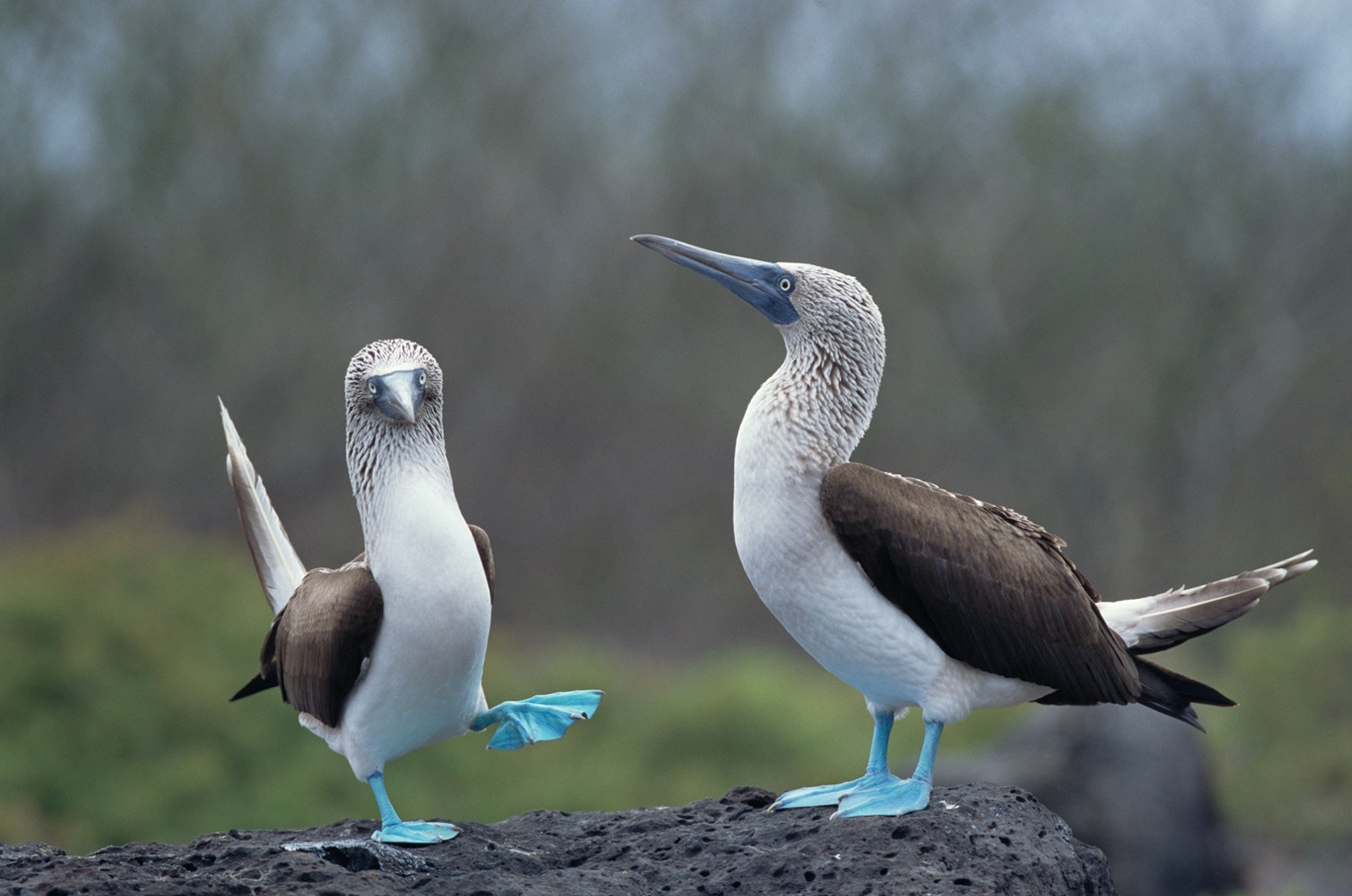
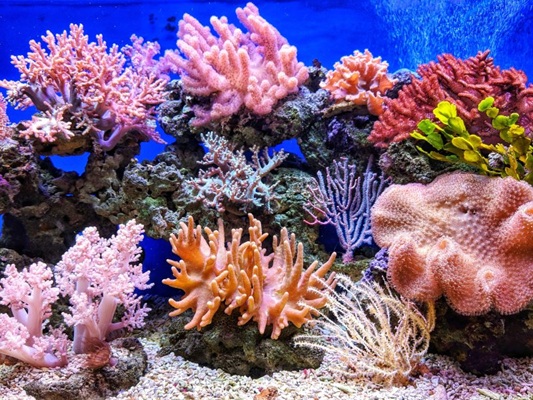
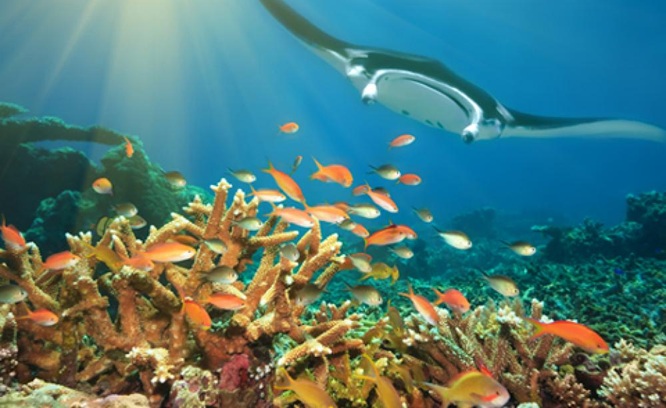
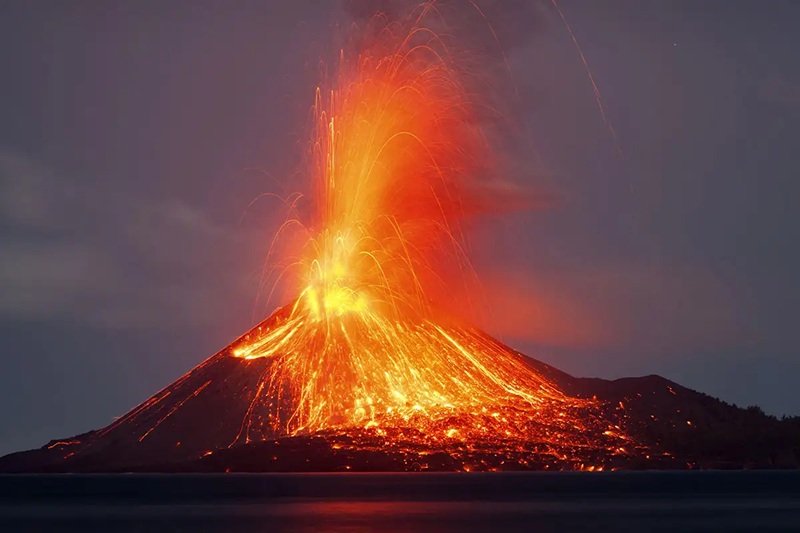
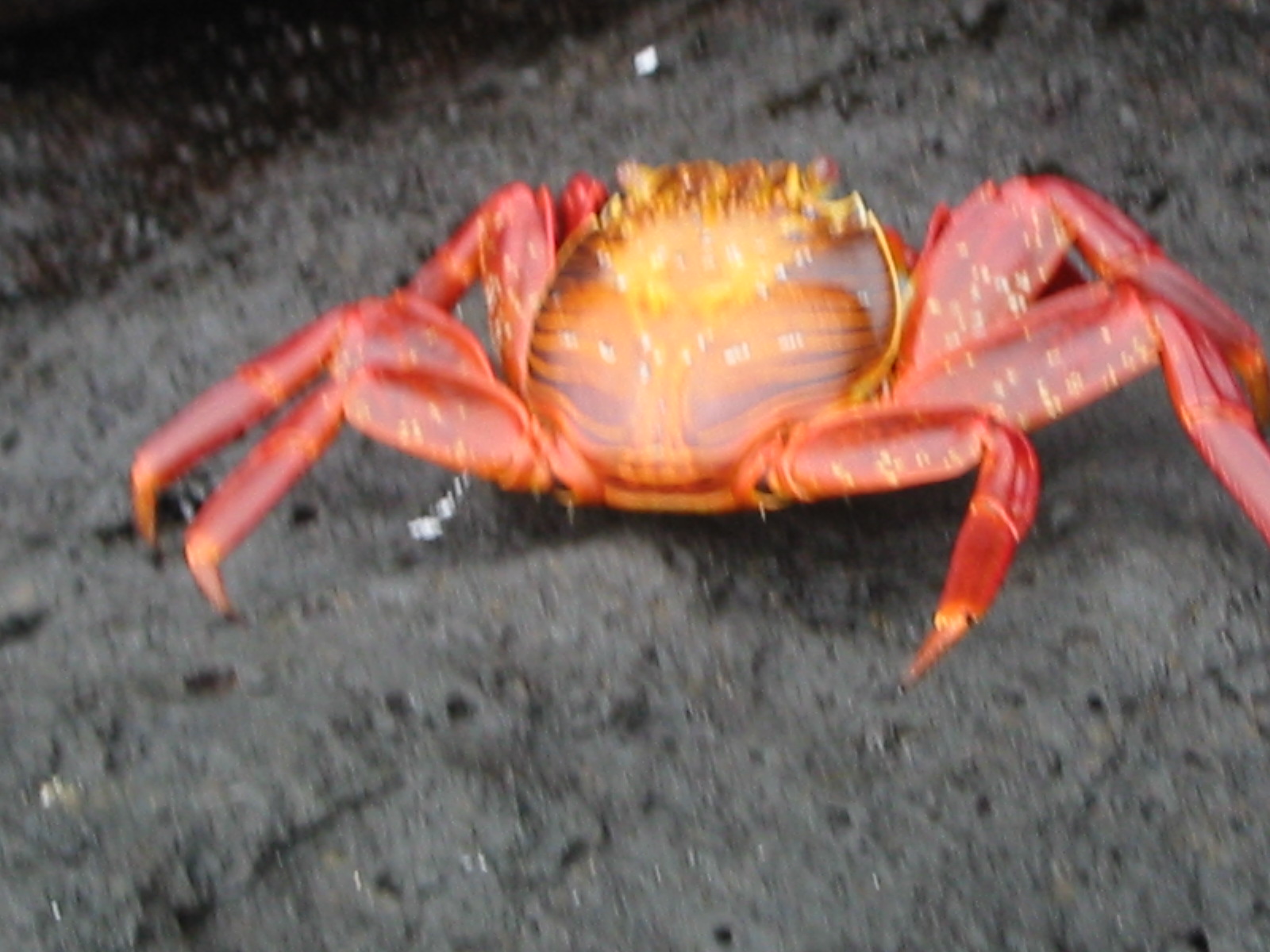
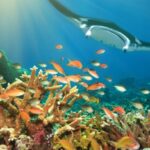
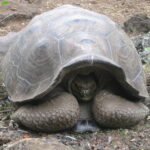
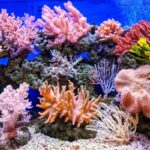
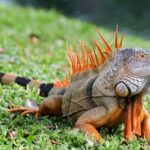
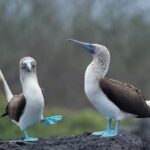
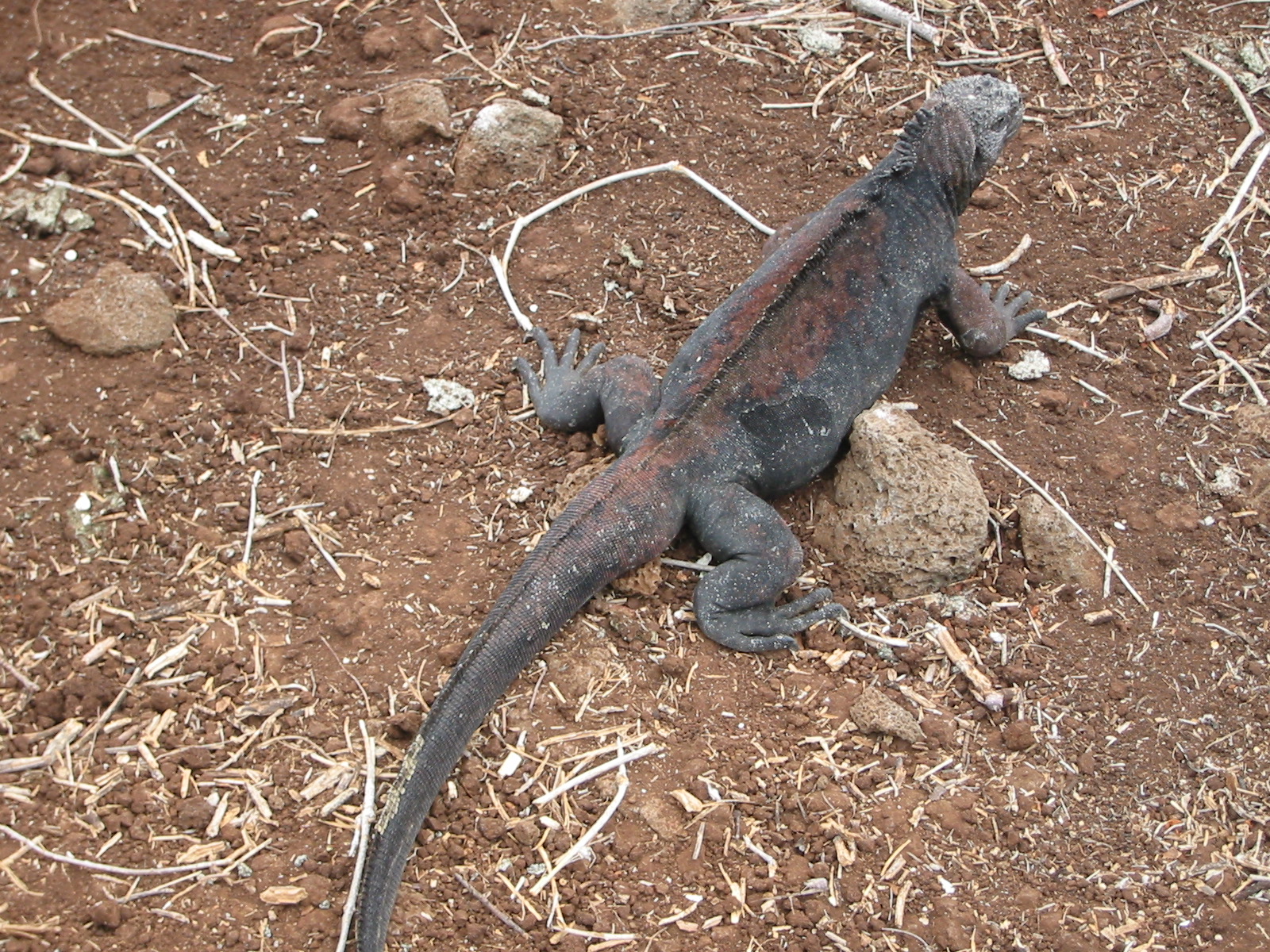
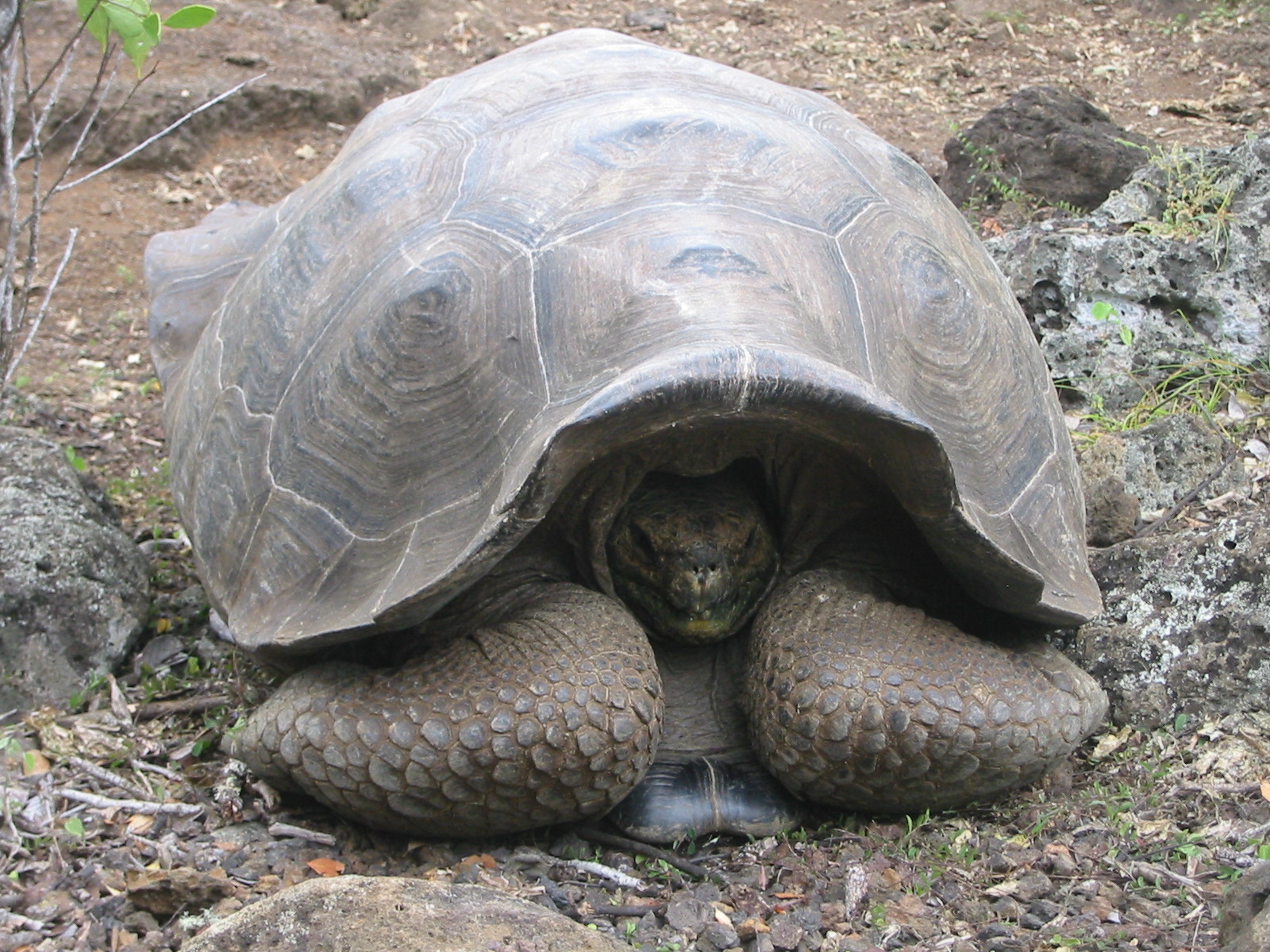
The Galápagos Islands are famous for their wild animals and beautiful nature. There you can find Giant tortoises that live for over 100 years, marine iguanas that swim in the ocean, blue-footed boobies, birds with bright blue feet, colorful fish and coral reefs, volcanoes and rocky beaches
Many of these animals live only on the Galápagos Islands. That means you can’t find them anywhere else in the world!
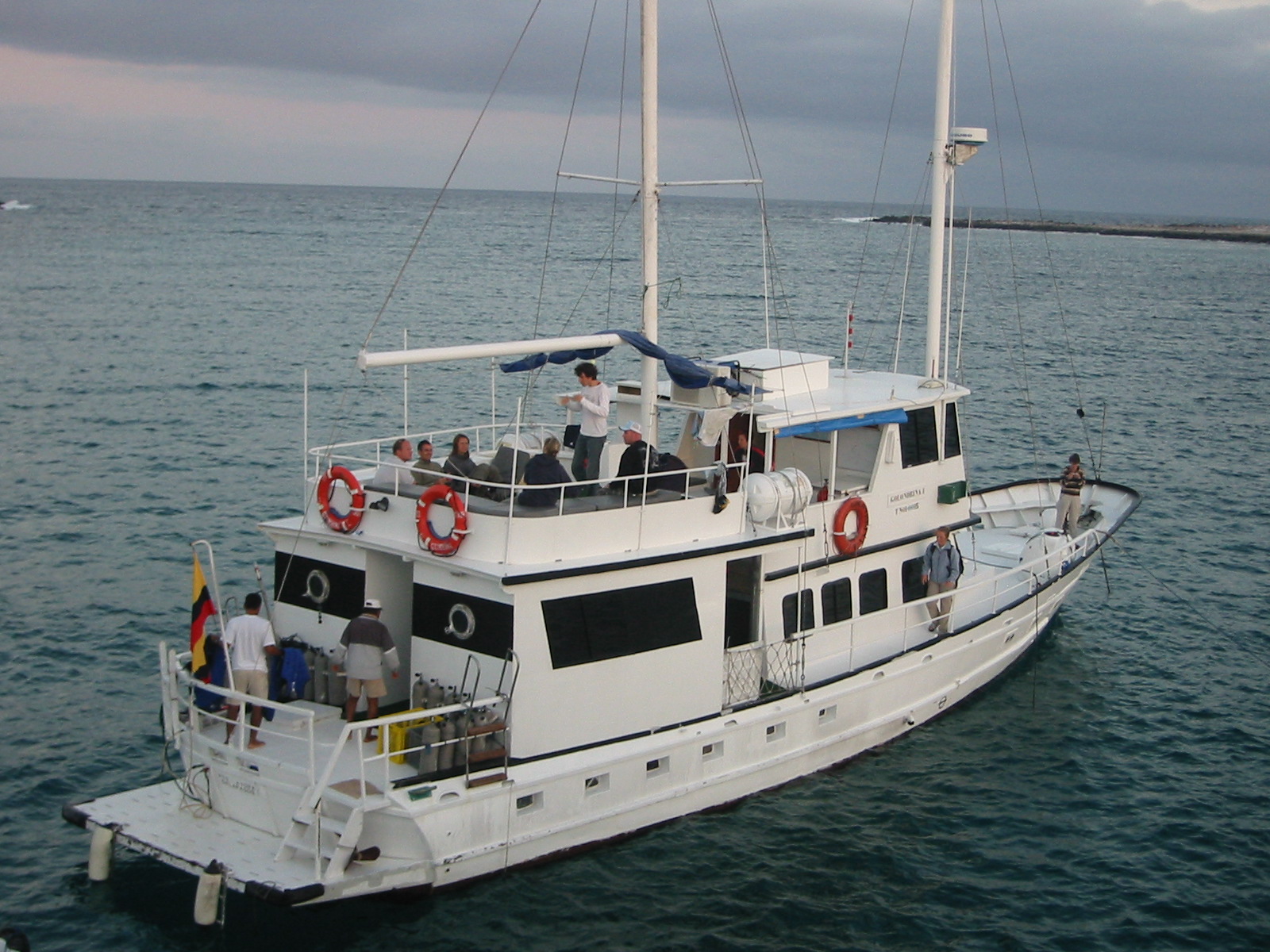
Most places to stay in the Galápagos Islands are on the main islands, like Santa Cruz, San Cristóbal, and Isabela. Tourists often travel by boat. They sleep on the boat and move from island to island at night. During the day, they visit the islands on foot to see animals.
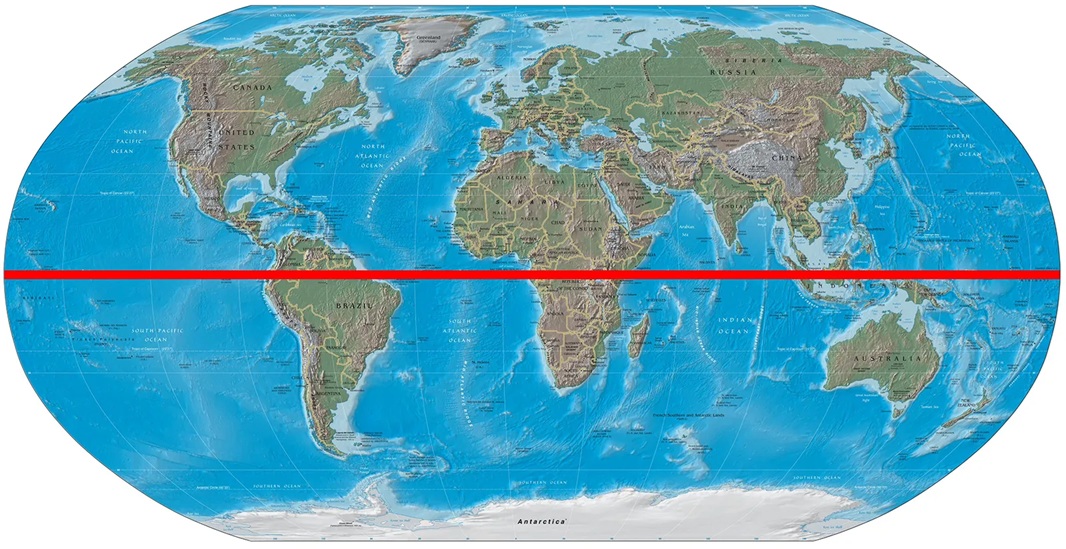
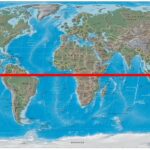
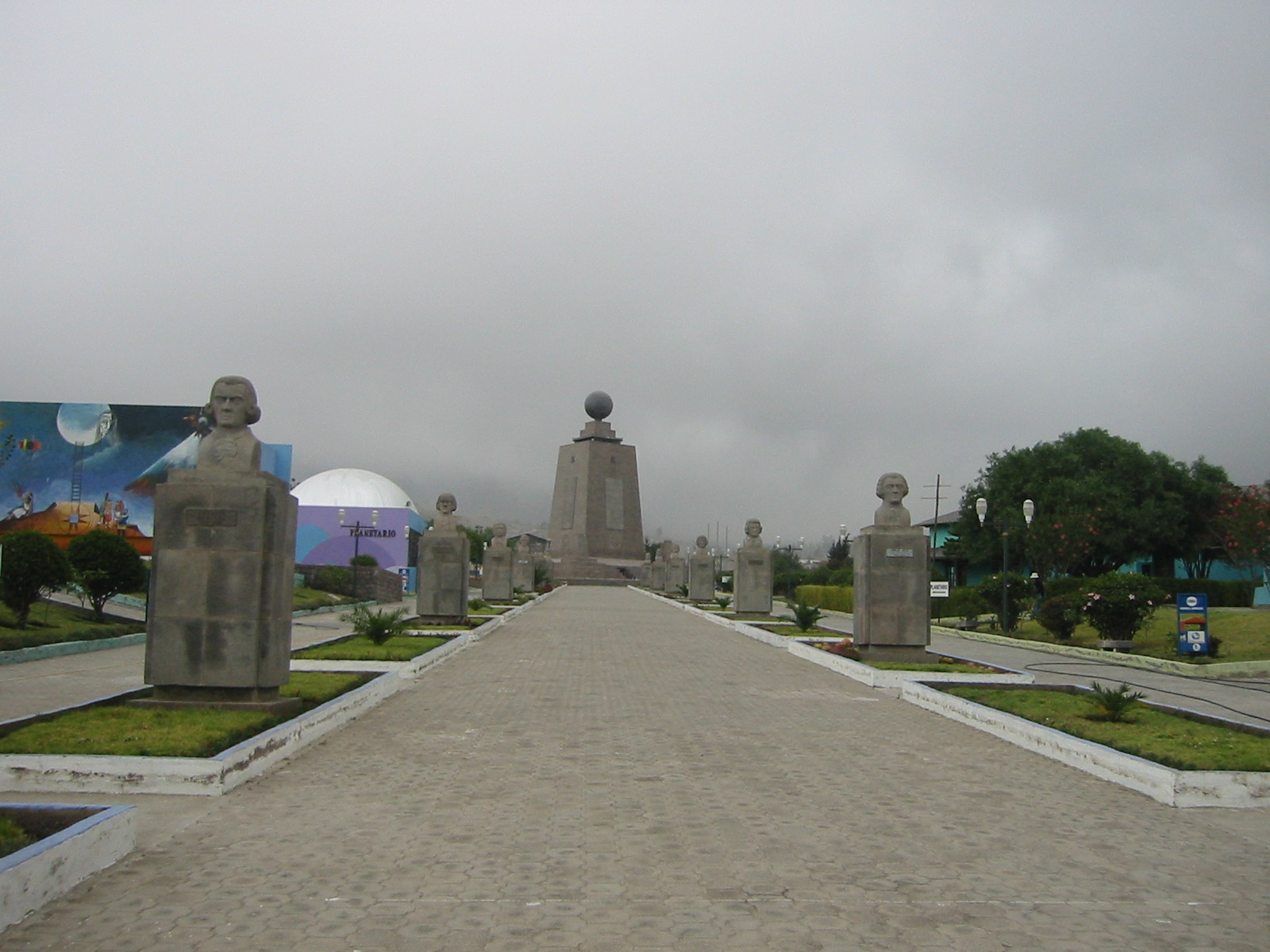
To fly to the Galapagos you have to fly to QUito first. Quito is the capital of Ecuador. Near Quito you can visit the Equator and put one foot on the northern half and the other one on the southern half of the Earth.
NEW WORDS
Finch. Natural Selection. Species. Equator. Tortoise. Iguana. Booby. Origin. Reef. Volcano. Marine
TEST YOUR VOCABLARY – Name the image
ANSWERS: Reach. Lift. Adventurer. Sail. Canal. Entrance. Boat lock. Crocodile, Shore. Valley. Steer. Corridor. Shout. Level
TEST YOUR LISTENING SKILLS – ANSWER THE QUESTIONS BELOW
Use desktop mode on mobile devices
QUESTIONS (Use audio player at bottom of screen)
1 Where was Charles Darwin from?
2 When was he born?
3 When did he start sailing around the world?
4 What did he notice on the Galapagos Islands?
5 What did that make him think?
6 When did he publish The Origin of Species?
7 Where are the Galapagos Islands?
8 How do tourist travel around the islands?
ANSWERS (Hover your mouse – tap & hold then hit the “back” navigation arrow on phones- to reveal the answers).
1. Charles Darwin was from England.
3. He started sailing around the world in 1831
4. On the Galápagos Islands, he noticed the finch had different beaks on different islands
5. This made him think about how animals change over time.
6 He published The Origin of Species in 1859
GRAMMAR TEST
Hover over the blank space (tap & hold then hit the “back” navigation arrow on phones) to reveal the answer
Time of Day
• In the morning
• In the afternoon
• At noon
• At sunset
• At sunrise
• At night
• At 6 o’clock
Use “in” for general parts of the day.
Use “at” for specific times or moments.
Days and Periods
• On Monday
• On weekends
• On holidays
Use “on” for specific days or named periods.
Months, Years, Seasons
• In January
• In 2025
• In the spring
Use “in” for months, years, and seasons.
FILL IN THE BLANKS
Mia and Leo’s Trip to the Galápagos Islands
Mia and Leo are two students who love animals. They go on a trip to the Galápagos Islands. They arrive in the morning and get on a small boat. They sleep on the boat at night and visit different islands in the daytime.
On the first day, they walk on an island and see giant tortoises. The tortoises move slowly and eat grass. Mia takes photos, and Leo writes notes in his notebook.
In the afternoon, they visit another island. They see marine iguanas sitting on rocks. Some iguanas swim in the sea. Mia laughs when she sees one jump into the water.
At sunset, they return to the boat. They eat dinner on the deck and talk about the animals they saw in the day.
On the second day, they wake up early. They visit an island with blue-footed boobies. The birds dance in the morning sun. “They look funny,” Mia says. Leo takes a video.
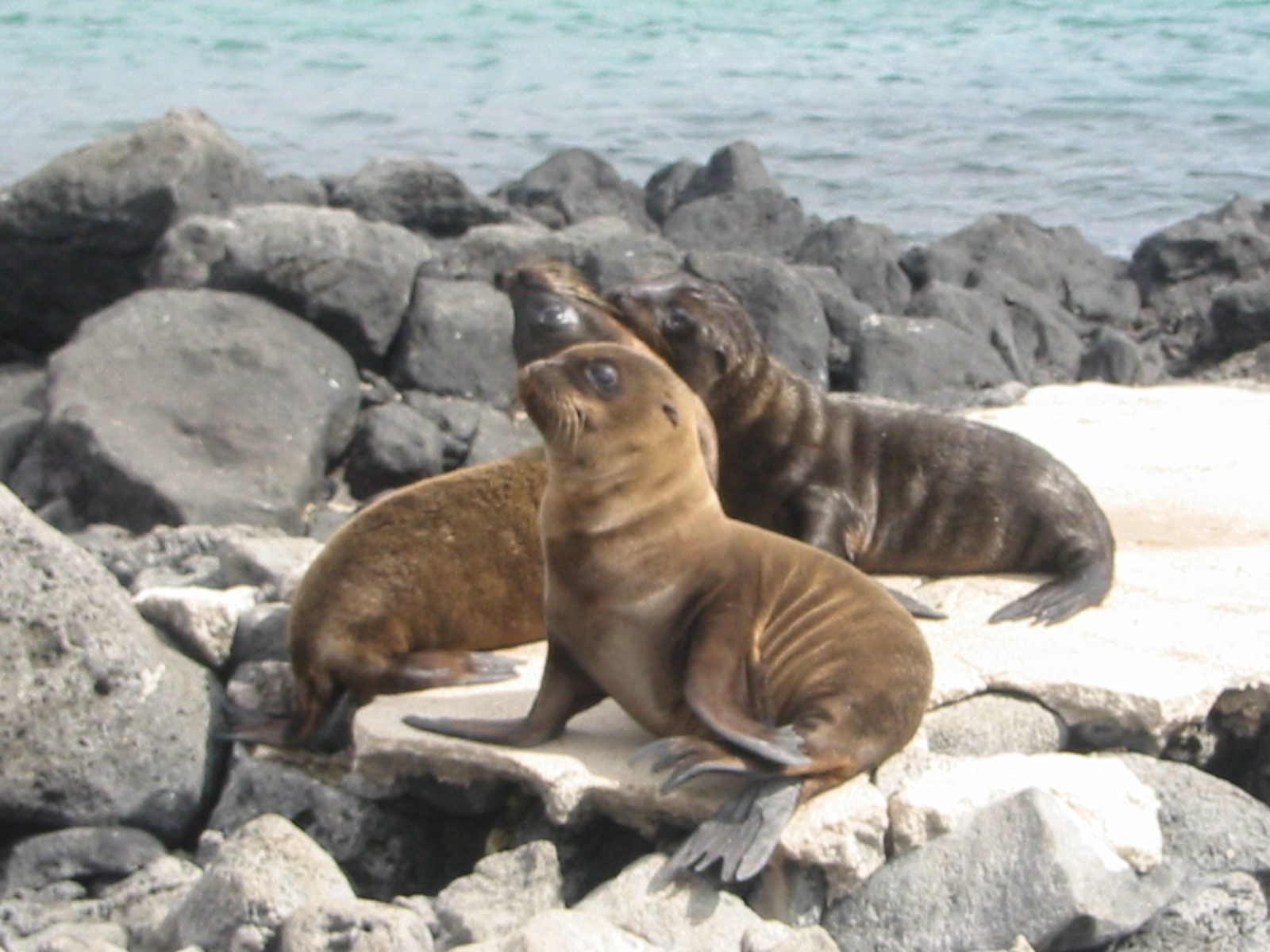
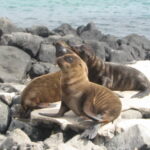
In the middle of the day, they walk along the beach. They see sea lions sleeping on the sand. One sea lion swims near the boat at noon.
Later in the afternoon, they hike up a hill. They see many finches. Mia notices that the finches have different beaks. “These birds have short beaks on this island,” she says. Leo writes, “They eat seeds.”
On the third day, they visit a new island. The finches there have long, thin beaks. “They eat insects,” Leo says. “Darwin saw this too in the past.”
At night, Mia and Leo sit on the boat and look at the stars. “I love this trip,” Mia says. “We learn so much in just a few days.”
On the last day, they pack their bags in the morning. They say goodbye to the animals and the islands. “I want to come back one day,” Leo says.
At the end of the trip, they fly home with many memories. They think about the animals they saw and the things they learned on each island.

PRONUNCIATION TIPS
SIGHTSEEING
OTHER GRAMMAR TESTS
Click here to access more tests