
EXTERNAL VIDEO
Click on the image to watch.
SUMMARY
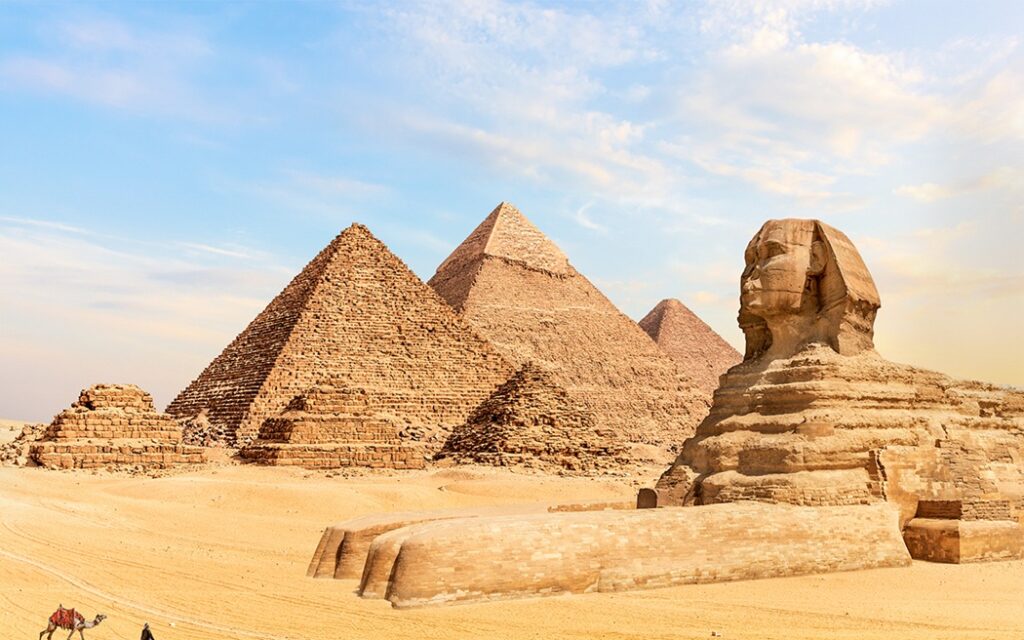
Thousands of years ago, Egypt was a rich and strong land. The people there made art and buildings that still amaze us today, and the most famous of these are the pyramids. The Great Pyramid of Giza is the only “Wonder of the Ancient World” still standing. It was the tallest building on Earth for almost 4,000 years. It was made of millions of stone blocks, some very heavy, and covered in shiny white stone.
Egypt has more than 100 pyramids, though most are smaller or broken. At first, people were buried in the desert sand, but animals and thieves dug them up. Egyptians then built flat tombs called mastabas. An architect named Imhotep had the idea to stack mastabas to make the first step pyramid. Later, a king named Sneferu built the first smooth pyramid, called the Red Pyramid. His son Khufu built the Great Pyramid, the biggest of all.
Khufu also built temples and small pyramids for his wives. His son Khafre built another pyramid and the Great Sphinx, a huge statue with a man’s head and a lion’s body. His grandson Menkaure built a third pyramid.
Inside the pyramids were rooms for the king’s body and treasures. Egyptians believed people lived after death, so they buried kings with things they might need. Thieves often stole the treasures, but the pyramids themselves remain.
NEW WORDS
TRANSCRIPT
Thousands of years ago, Egypt was home to one of the richest and most powerful civilizations in the world. Their art and culture continued to fascinate people even today, and one of the most impressive legacies they left behind is their pyramids.
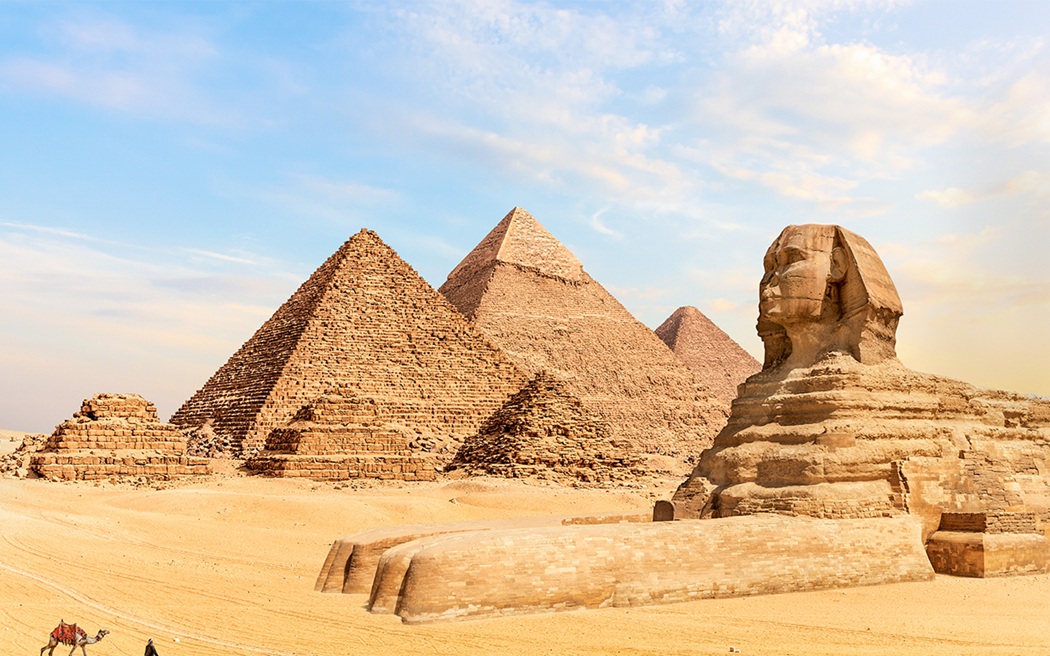
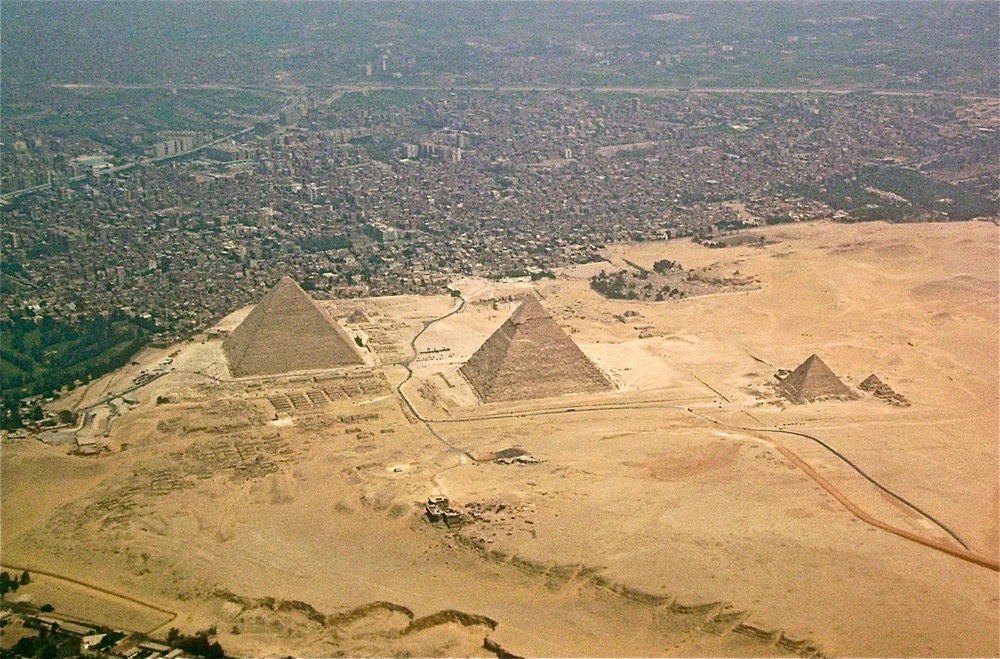
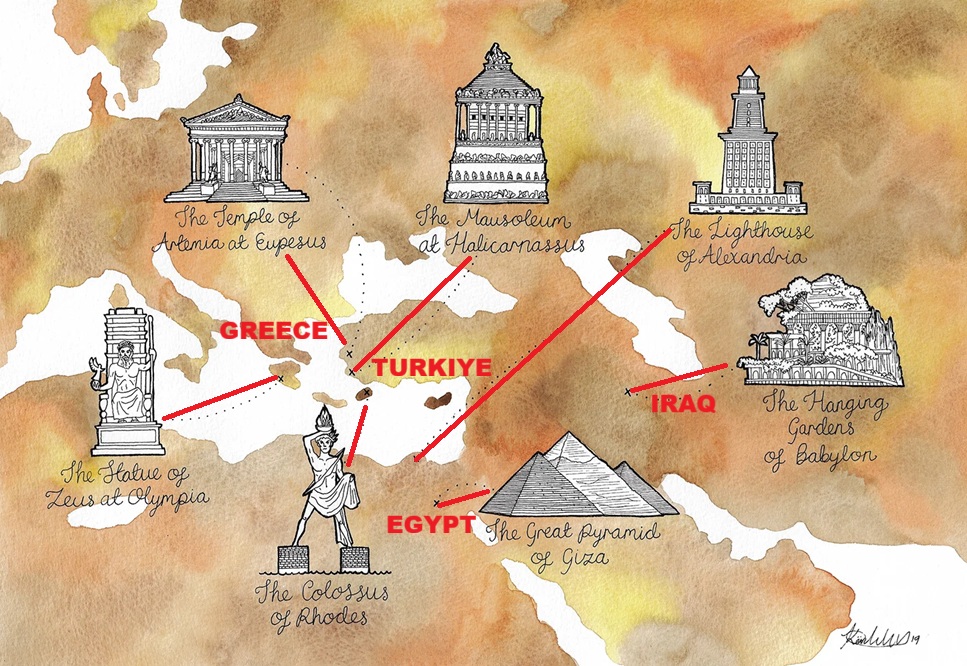
The Great Pyramid of Giza is the only surviving Wonder of the Ancient World, and the complex of pyramids and other structures on the Giza plateau near Cairo, Egypt, is a World Heritage Site for its importance to history.
You might be surprised to learn that these famous pyramids are not the only pyramids in Egypt. In fact, there are more than a hundred of them, most much smaller than the Great Pyramid, and many very damaged.
Ancient Egyptians believed that after death, people would continue to live very much like they had when they were alive, and so they buried people with things that they thought they would need.
At first, people were buried in the dry desert sand, but the graves were dug up by wild animals and people who wanted to steal the things they were buried with.
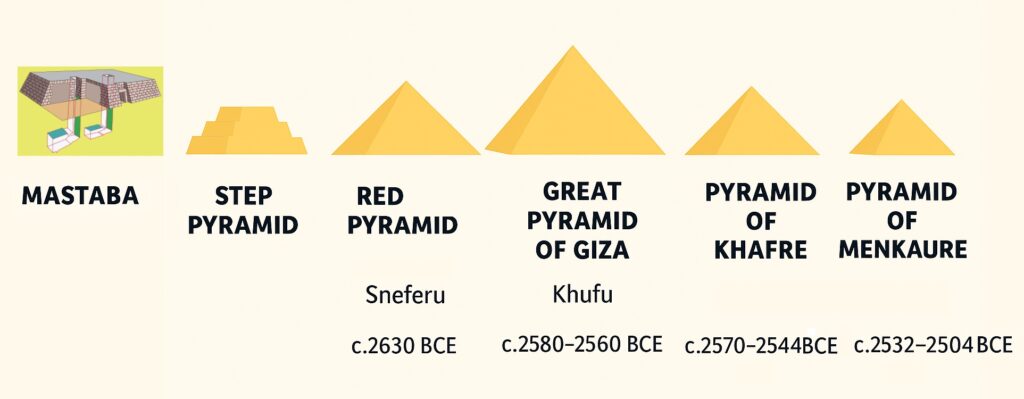
Egyptians began to build flat tombs called mastabas out of mud bricks or stone. Then, about four and a half thousand years ago, an architect named Imhotep had the idea to build a stack of mastabas on top of each other, each one smaller than the last. The result was what we call a step pyramid—a giant stairway meant to help the soul of the Pharaoh climb into the heavens.
So began a period of nearly a thousand years of pyramid building in Egypt. After the first step pyramids were constructed, a pharaoh named Sneferu decided that he wanted a smooth-sided pyramid for his tomb. This proved difficult to accomplish, and Sneferu had three pyramids built before he was satisfied. This third pyramid, the Red Pyramid, is believed to be the first true pyramid built in Egypt.
The pharaoh who followed Sneferu, Khufu, decided to build his own pyramid, bigger and better than the Red Pyramid. The result was the Great Pyramid of Giza, the largest pyramid ever built. Construction of the Great Pyramid likely took between 10 and 20 years. It was originally 481 feet or 146.5 meters high, making it the tallest man-made structure on earth for nearly 4,000 years.
The building of such an enormous pyramid was a monumental feat. People have wondered for thousands of years how it was possible to build something so huge with the technology available to the ancient Egyptians. The Great Pyramid is estimated to be made of 2.3 million blocks of stone. The largest of these blocks weigh between 25 and 80 metric tons and were transported from more than 500 miles or 800 kilometers away.
The pyramid was originally encased in polished white limestone. Most of these stones have been removed over the millennia, meaning that when the pyramid was new, it would have looked very different than it does today.
Khufu had other things built on the Giza plateau, including two mortuary temples to honor him after his death, and three small pyramids for his wives to be buried in. The other two large pyramids on the Giza plateau were built by Khufu’s son, the pharaoh Khafre, and his grandson, the pharaoh Menkaure.
Khafre’s pyramid complex includes a unique feature: the Great Sphinx, a huge guardian statue with the head of a man and the body of a lion. It is one of the oldest and largest statues in the world, measuring nearly 240 feet or 73 meters long from paw to tail, and 66 feet or 20 meters high.
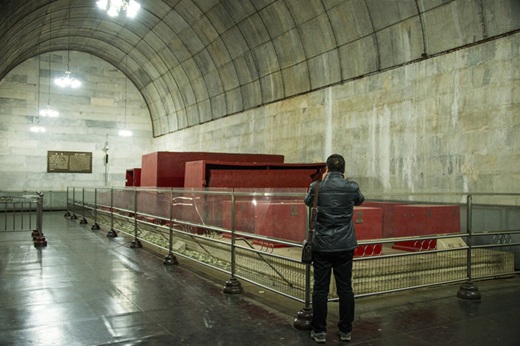
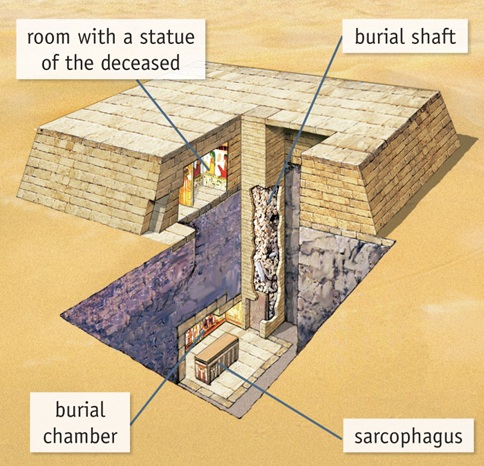
Deep inside the pyramids lay burial chambers for the Pharaoh’s body and any treasures and items they would need for the afterlife. The pharaohs knew that their treasure would be desired by robbers, and so they tried to guard it. Sometimes they used fake burial chambers or hidden passages to try and keep thieves out, but unfortunately, most of their treasures had been stolen long ago.
Still, the pyramids themselves remain, and stand as monuments to these long-dead pharaohs. Millions of people visit them each year to marvel at the ancient tombs, and learn about the history of Egypt.
NEW WORDS – With links to Wordsmyth Dictionay
NEW WORDS – DEFINITIONS

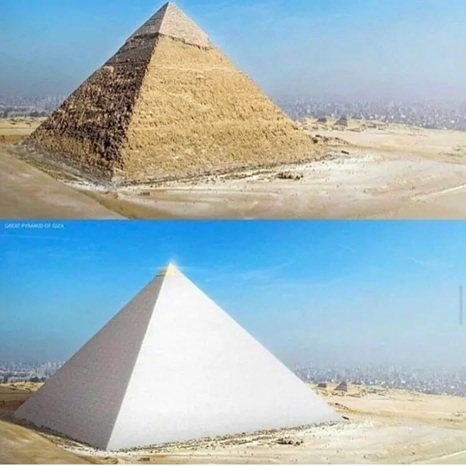
Encased – Covered all around for protection, like plastic around frozen food.
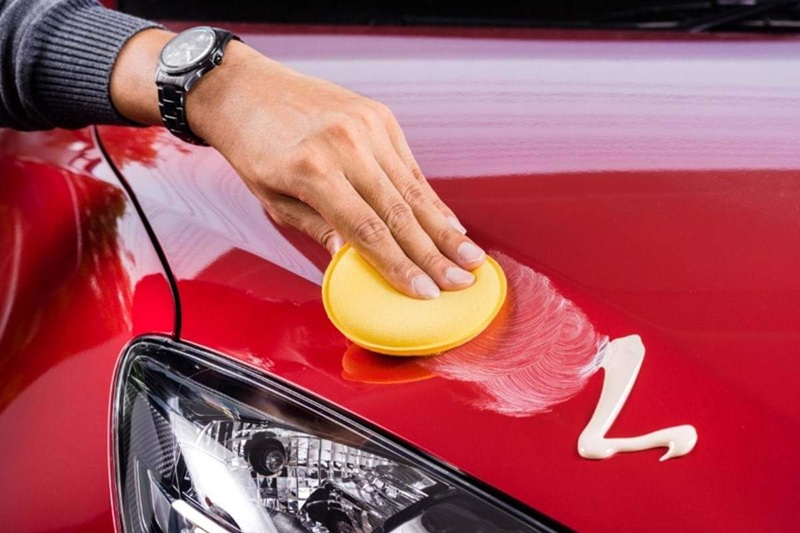
Polished – Made shiny and smooth
TEST YOUR VOCABLARY – Say the word that goes with the image
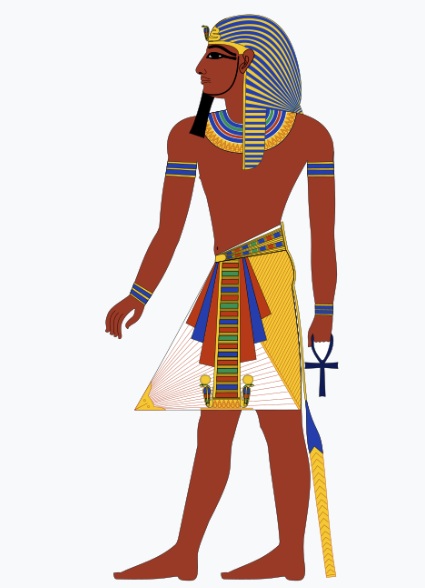
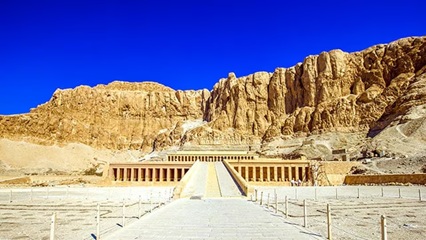
Mortuary temple – Special building in ancient Egypt where people honored and made offerings to a dead pharaoh
TEST YOUR VOCABLARY
1. To make someone very interested
A) Fascinate
B) Ignore
C) Rest
D) Confuse
2. Something valuable left behind for the future
A) Memory
B) Gift
C) Plan
D) Legacy
3. Still alive or existing after a destruction
A) Lost
B) Surviving
C) Broken
D) Hidden
4. Something amazing the many people admire
A) Wonder
B) Noise
C) Tool
D) Answer
5. A group of connected buildings
A) Box
B) Simple
C) Complex
D) Door
6. A flat land on high ground or in the mountains
A) Hill
B) Plateau
C) Lake
D) Tunnel
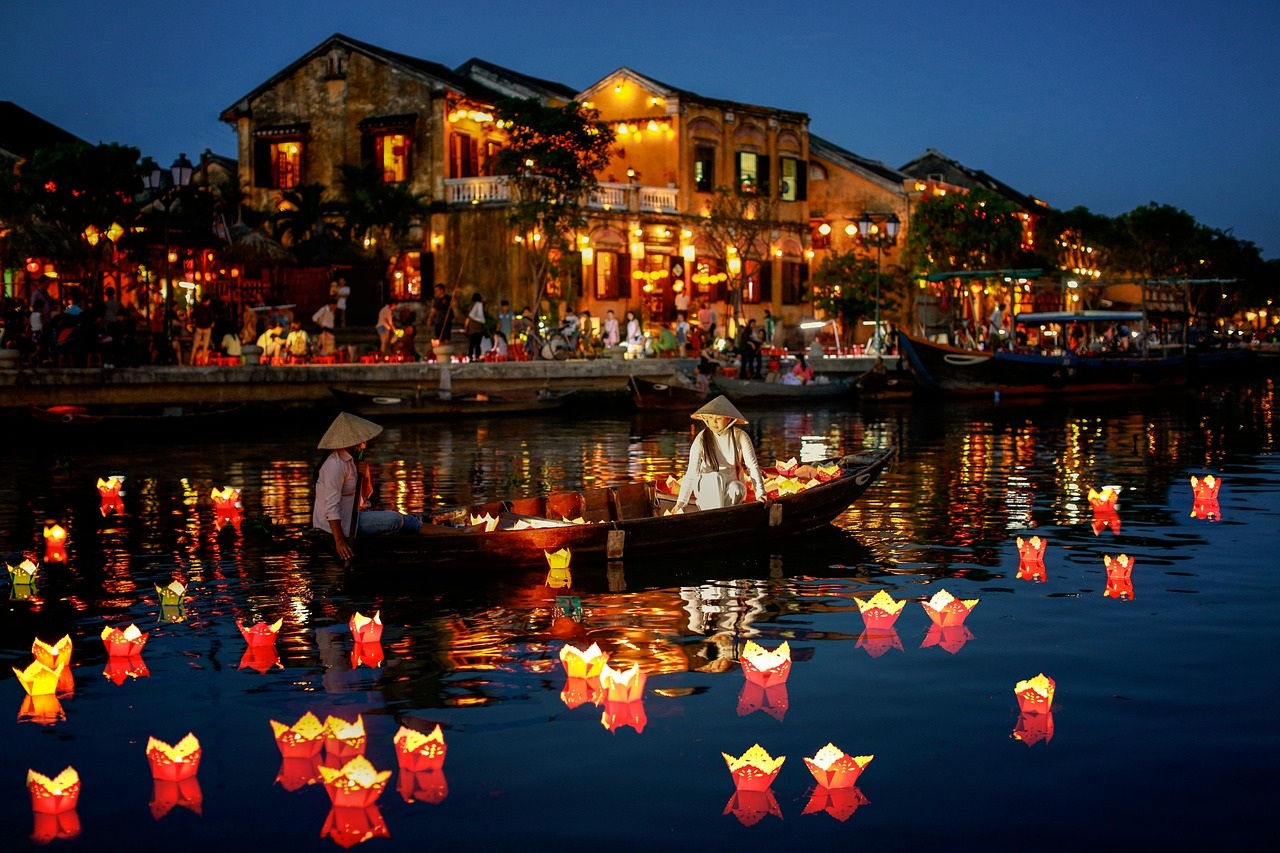
7. Important cultural history from the past, such as Hoi An
A) Crowd
B) Heritage
C) Decoration
D) Grocery
8. A room where someone is buried
A) Garden
B) Tomb
C) Market
D) Bench
9. An ancient Egyptian rectangular flat tomb
A) Pyramid
B) Castle
C) Mastaba
D) Tent
10. A person who designs buildings
A) Driver
B) Architect
C) Nurse
D) Painter
11. The invisible part of a person that many people believe gives them life, feelings, and identity. It’s often thought to live on after the body dies.
A) Soul
B) Body
C) Hand
D) Wall
12. A king in ancient Egypt
A) Farmer
B) Teacher
C) Soldier
D) Pharaoh
13. The place where good people go after death
A) Heaven
B) Ocean
C) Cave
D) Room
14. A length of time
A) Shoes
B) River
C) Village
D) Period
15. To succeed at something important
A) Drop
B) Forget
C) Accomplish
D) Cover
16. Very large and impressive
A) Tiny
B) Sour
C) Quiet
D) Monumental
17. A great achievement
A) Wish
B) Feat
C) Error
D) Plan
18. Covered or surrounded
A) Open
B) Empty
C) Shared
D) Encased
19. Made smooth and shiny
A) Dirty
B) Polished
C) Bent
D) Softened
20. Thousands of years
A) Minutes
B) Days
C) Millennia
D) Seasons
21. To show respect
A) Ignore
B) Break
C) Hide
D) Honor
22. One-of-a-kind
A) Ordinary
B) Round
C) Tall
D) Unique
23. An important part of something
A) Leaf
B) Feature
C) Road
D) Mirror
24. A giant ancient statue of a lion with a human head
A) Eagle
B) Dragon
C) Castle
D) Great Sphinx
25. Someone that protects
A) Singer
B) Visitor
C) Guardian
D) Runner
26. The foot of an animal like a lion
A) Wing
B) Paw
C) Head
D) Tail
27. A place where someone is buried
A) School
B) Store
C) Garden
D) Burial
28. A room inside a tomb
A) Window
B) Roof
C) Chamber
D) Corner
29. Valuable objects like gold or jewels
A) Trash
B) Sand
C) Treasure
D) Rope
30. Life after death
A) Afterlife
B) Homework
C) Morning
D) Game
31. A hallway or way through something
A) Bowl
B) Wall
C) Table
D) Passage
32. A person who steals
A) Builder
B) Cook
C) Teacher
D) Thief
TEST YOUR LISTENING SKILLS – ANSWER THE QUESTIONS BELOW
Use desktop mode on mobile devices
1. What was Egypt home to thousands of years ago?
A) The first European kingdom
B) One of the richest and most powerful civilizations
C) The smallest civilization in the world
D) The Roman Empire
2. What is the only surviving Wonder of the Ancient World?
A) The Red Pyramid
B) The Step Pyramid
C) The Great Pyramid of Giza
D) The Great Sphinx
3. Where is the Giza plateau located?
A) Near Alexandria
B) Near Luxor
C) Near Cairo
D) Near the Nile Delta
4. How many pyramids exist in Egypt?
A) About 10
B) More than 100
C) Around 50
D) Over 500
5. What did ancient Egyptians believe about life after death?
A) People disappeared forever
B) People were reborn as animals
C) People continued to live much like they had before
D) People became stars in the sky
6. Why did Egyptians stop burying people directly in the sand?
A) The sand was too hot
B) The graves were destroyed by animals and thieves
C) They moved to another country
D) It was forbidden by law
7. What were early Egyptian tombs called?
A) Obelisks
B) Mastabas
C) Temples
D) Sarcophagi
8. Who designed the first step pyramid?
A) Khufu
B) Khafre
C) Imhotep
D) Menkaure
9. What was the purpose of the step pyramid’s shape?
A) To look beautiful
B) To help the Pharaoh’s soul climb to the heavens
C) To store more treasure
D) To show power to enemies
10. Which pharaoh built the first smooth-sided pyramid?
A) Khufu
B) Sneferu
C) Menkaure
D) Tutankhamun
11. What was the name of Sneferu’s successful pyramid?
A) The Red Pyramid
B) The Great Pyramid
C) The Bent Pyramid
D) The Step Pyramid
12. Who built the Great Pyramid of Giza?
A) Khafre
B) Imhotep
C) Khufu
D) Ramses II
13. About how tall was the Great Pyramid originally?
A) 100 feet
B) 250 feet
C) 481 feet
D) 800 feet
14. Approximately how long did construction of the Great Pyramid take?
A) 2–3 years
B) 10–20 years
C) 50 years
D) 100 years
15. What was the Great Pyramid originally covered with?
A) Gold sheets
B) Polished white limestone
C) Mud bricks
D) Painted carvings
16. Who built the Great Sphinx?
A) Khufu
B) Khafre
C) Menkaure
D) Sneferu
17. What animal’s body does the Sphinx have?
A) A cat
B) A dog
C) A lion
D) A horse
18. Why did pharaohs include hidden passages in their pyramids?
A) To confuse builders
B) To store food
C) To keep thieves out
D) To decorate the walls
19. What happened to most of the treasures inside the pyramids?
A) They were sold to other countries
B) They were moved to museums
C) They were stolen long ago
D) They are still buried inside
20. What do the pyramids symbolize today?
A) The fall of Egypt
B) Monuments to the pharaohs and their history
C) Modern tourist hotels
D) Temples for worship
ANSWERS: 1-B, 2-C, 3-C, 4-B, 5-C, 6-B, 7-B, 8-C, 9-B, 10-B, 11-A, 12-C, 13-C, 14-B, 15-B, 16-B, 17-C, 18-C, 19-C, 20-B
GRAMMAR TEST
Hover over the blank space (tap & hold then hit the “back” navigation arrow on phones) to reveal the answer
ACTIVE VOICE SENTENCES
- Egyptians buried people in the dry desert sand.
- Wild animals and grave robbers dug up the graves to steal the buried items.
- Imhotep constructed the first step pyramids, and then Sneferu decided he wanted a smooth-sided pyramid.
- Imhotep constructed three pyramids for Sneferu before he was satisfied.
- Historians believe that the Red Pyramid was the first true pyramid built in Egypt.
- Experts estimate that the Great Pyramid contains 2.3 million blocks of stone.
- Workers transported the largest blocks—each weighing 25 to 80 metric tons—from over 500 miles away.
- Builders originally encased the pyramid in polished white limestone.
- People have removed most of these stones over the millennia.
- Khufu built three small pyramids so his wives could be buried in them.
- Khafre and Menkaure built the other two large pyramids on the Giza plateau.
- Robbers would desire their treasure.
- Thieves stole most of their treasures long ago.
PASSIVE VOICE SENTENCES
1. People were buried in the dry desert sand.
2. The graves were dug up by wild animals and people who wanted to steal the things they were buried with.
3. After the first step pyramids were constructed, a pharaoh named Sneferu decided that he wanted a smooth-sided pyramid for his tomb.
4. Sneferu had three pyramids built before he was satisfied.
5. The Red Pyramid is believed to be the first true pyramid built in Egypt.
6. The Great Pyramid is estimated to be made of 2.3 million blocks of stone.
7. The largest of these blocks weigh between 25 and 80 metric tons and were transported from more than 500 miles or 800 kilometers away.
8. The pyramid was originally encased in polished white limestone.
9. Most of these stones have been removed over the millennia.
10. Three small pyramids for his wives to be buried in.
11. The other two large pyramids on the Giza plateau were built by Khufu’s son, the pharaoh Khafre, and his grandson, the pharaoh Menkaure.
12. Their treasure would be desired by robbers.
13. Most of their treasures had been stolen long ago.
PRONUNCIATION TIPS
How to pronounce the ending SKS and STS sounds (as in ASKS and LISTS)
THE SEVEN WONDERS OF THE ANCIENT WORLD (3000 BCE – 500 AD)
TIMELINE OF EGYPTIAN PYRAMIDS (SIMPLIFIED)