
EXTERNAL VIDEO
Click on the image to watch.
TRANSCRIPT
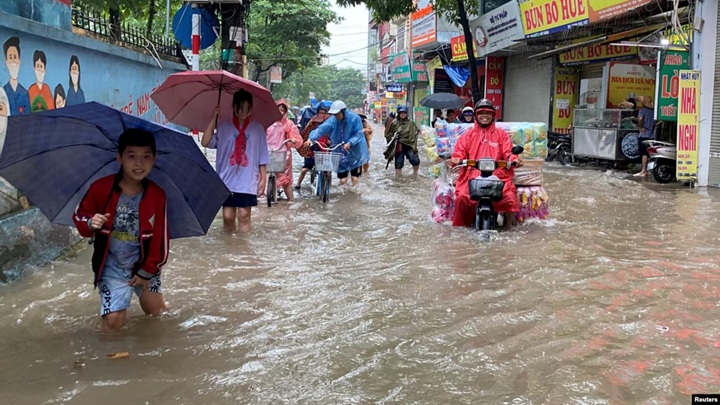
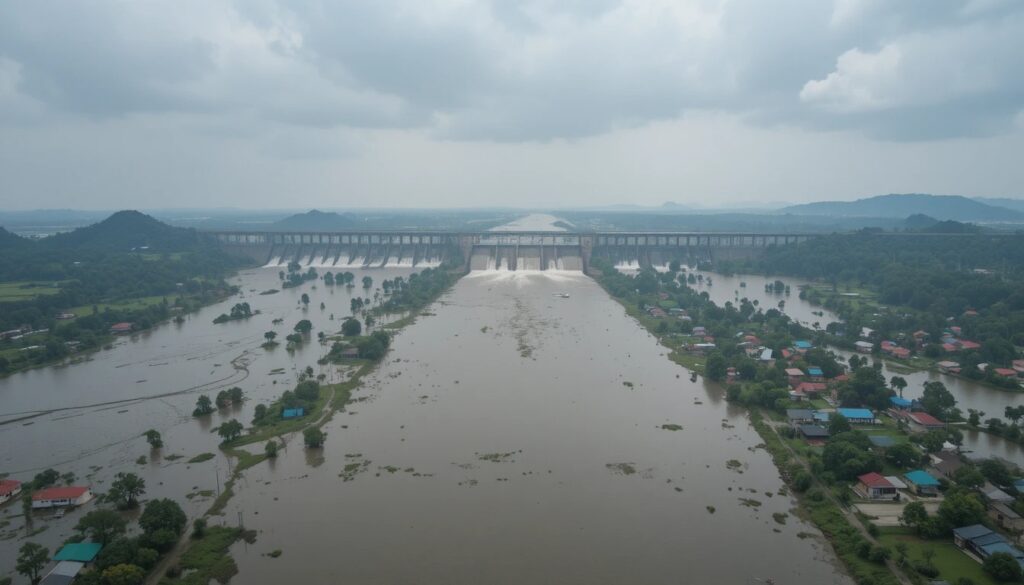
Authorities in central Vietnam are on high alert as heavy rain continues, with localities urged to closely monitor flooding, provide timely warnings, and evacuate residents from high-risk areas.
Rescue teams and equipment are being readied for emergency response while strict measures are in place to protect dams, dikes, and reservoirs.
Schools may suspend classes depending on local conditions. Aid, including food, water, and medicine, is being rushed to affected communities to ensure no one is left hungry, cold, or without medical care.
Ministries and agencies are mobilizing resources to restore transport, repair damage, and help residents quickly resume normal life.
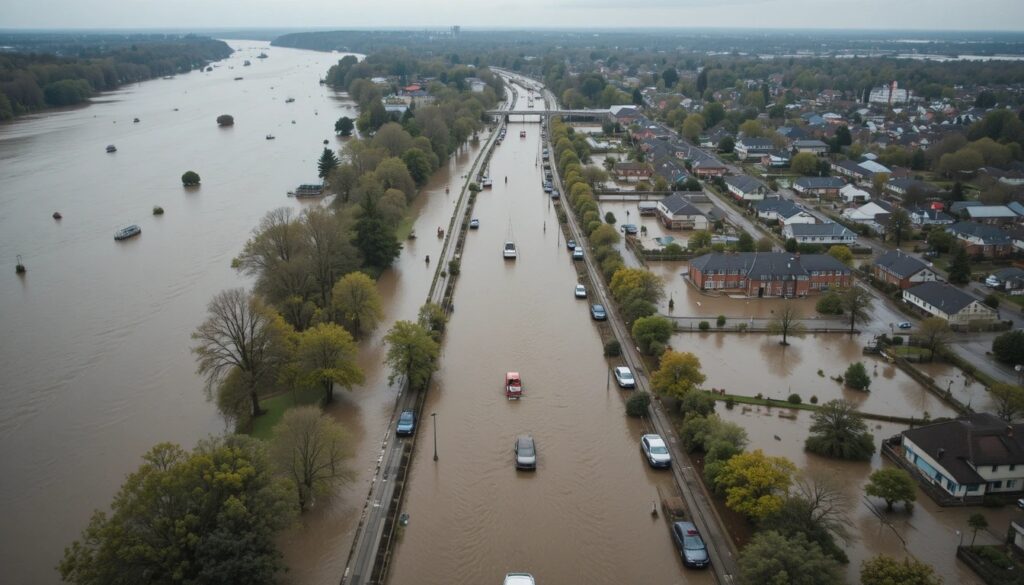
Torrential rains have caused severe flooding across central Vietnam, with Hue recording the heaviest rainfall in the country’s history over the past 24 hours.
Water levels in the Bo and Hong rivers have surged above land level, inundating large areas of the city.
Overnight, the Hue Central Hospital carried out an emergency evacuation, moving patients and medical equipment to higher floors as floodwaters rapidly rose in Da Nang.
Relentless rain has triggered hundreds of landslides, severing key roads and isolating thousands across the central and central highlands regions.
Rainfall exceeded 100 mm and even 200 mm in several areas. Authorities have issued flash flood and landslide warnings for 327 communes and wards as downpours persist.
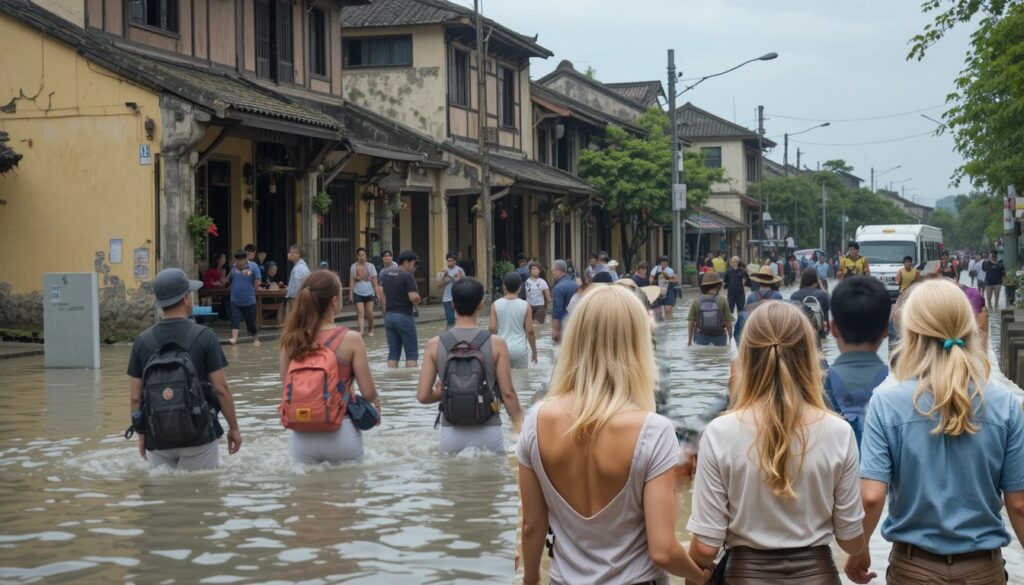
Heavy rain and rising river levels have caused severe flooding in Hoi An Ancient Town and the surrounding areas of Da Nang City.
Local authorities are racing to evacuate residents and thousands of tourists to safety as the water levels continue to rise.
By late afternoon, areas along the Thu Bon and Vu Gia rivers in Da Nang were submerged, with severe commutes completely cut off due to fast-moving floodwaters.
Access to many locations remains extremely difficult. Residents rushed to move their belongings while Hoi An authorities mobilized boats and vehicles to evacuate tourists from flooded areas.
This is the peak tourism season in Hoi An Ancient Town. During flood prevention, the safety of residents and tourists is our top priority.
That’s why evacuation plans are always prepared and prioritized. While some visitors have chosen to stay and experience the flooding in the old town, authorities continue to go door-to-door to assist and guide people out of danger zones.
With heavy rainfall persisting upstream and hydropower dams releasing water, flooding in Hoi An is expected to worsen.
Local officials are maintaining a full alert and reinforcing evacuation measures to ensure everyone’s safety under every circumstance.
NEW WORDS – With links to Wordsmyth Dictionay
Authority Locality Urge Monitor Timely Evacuate Resident Rescue Emergency response Strict Measure Dam Dike Reservoir Rush Affect Community Ensure Agency Mobilize Resource Restore Resume Torrential Rainfall Surge Inundate Overnight Trigger Landslide Sever Highland Flash flood Commune Ward Downpour Persist Surround Race Evacuate Resident Submerge Commute Belonging Mobilize Peak Prevention Prioritize Upstream Hydropower Release Circumstance
PARELLEL TEXTS
ORIGINAL TEXT
Authorities in central Vietnam are on high alert as heavy rain continues, with localities urged to closely monitor flooding, provide timely warnings, and evacuate residents from high-risk areas.
Rescue teams and equipment are being readied for emergency response while strict measures are in place to protect dams, dikes, and reservoirs.
Schools may suspend classes depending on local conditions. Aid, including food, water, and medicine, is being rushed to affected communities to ensure no one is left hungry, cold, or without medical care.
Ministries and agencies are mobilizing resources to restore transport, repair damage, and help residents quickly resume normal life.
Torrential rains have caused severe flooding across central Vietnam, with Hue recording the heaviest rainfall in the country’s history over the past 24 hours.
Water levels in the Bo and Hong rivers have surged above land level, inundating large areas of the city.
Overnight, the Hue Central Hospital carried out an emergency evacuation, moving patients and medical equipment to higher floors as floodwaters rapidly rose in Da Nang.
Relentless rain has triggered hundreds of landslides, severing key roads and isolating thousands across the central and central highlands regions.
Rainfall exceeded 100 mm and even 200 mm in several areas. Authorities have issued flash flood and landslide warnings for 327 communes and wards as downpours persist.
Heavy rain and rising river levels have caused severe flooding in Hoi An Ancient Town and the surrounding areas of Da Nang City.
Local authorities are racing to evacuate residents and thousands of tourists to safety as the water levels continue to rise.
By late afternoon, areas along the Thu Bon and Vu Gia rivers in Da Nang were submerged, with severe commutes completely cut off due to fast-moving floodwaters.
Access to many locations remains extremely difficult. Residents rushed to move their belongings while Hoi An authorities mobilized boats and vehicles to evacuate tourists from flooded areas.
This is the peak tourism season in Hoi An Ancient Town. During flood prevention, the safety of residents and tourists is our top priority.
That’s why evacuation plans are always prepared and prioritized. While some visitors have chosen to stay and experience the flooding in the old town, authorities continue to go door-to-door to assist and guide people out of danger zones.
With heavy rainfall persisting upstream and hydropower dams releasing water, flooding in Hoi An is expected to worsen.
Local officials are maintaining a full alert and reinforcing evacuation measures to ensure everyone’s safety under every circumstance.
SIMPLIFIED TEXT
Governments in central Vietnam are on high alert as heavy rain continues, with villages asked to closely check flooding, give warnings in time, and get residents out from high-risk areas.
Help teams and equipment are being prepared for emergency response while strict measures are in place to protect dams, dikes, and water storage lakes.
Schools may cancel classes depending on conditions in the area. Help, including food, water, and medicine, is being sent quickly to flooded villages to be sure no one is left hungry, cold, or without medical care.
Ministries and agencies are moving equipment and people to reopen roads, repair damage, and help people who live there quickly return to normal life.
Very heavy rains have caused very big flooding across central Vietnam, with Hue recording the heaviest amount of rain in the country’s history over the past 24 hours.
Water levels in the Bo and Hong rivers have risen over land level, flooding large areas of the city.
Overnight, the Hue Central Hospital made an emergency evacuation (move sick people quicky to safe areas), moving patients and medical equipment to higher floors as floodwaters rapidly rose in Da Nang.
Non- stop rain has caused hundreds of landslides, cutting important roads and cutting contact for thousands across the central and central highlands (flat land areas in the mountains) regions.
The amount of rain exceeded 100 mm and even 200 mm in several areas. Authorities have issued sudden heavy flood and landslide warnings for 327 communes and wards as heavy rain continues non- stop.
Heavy rain and rising river levels have caused very serious flooding in Hoi An Ancient Town and the areas around Da Nang City.
Governments in the area are working quickly to move people who live there and thousands of tourists to safety as the water levels continue to rise.
By late afternoon, areas along the Thu Bon and Vu Gia rivers in Da Nang were under water, with severe movements completely cut off due to fast-moving floodwaters.
Getting to many places remains extremely difficult. People living there worked quickly to move their things while Hoi An authorities sent boats and cars and busses to move tourists away from flooded areas.
This is the time with the most tourists in the tourism season in Hoi An Ancient Town. During works to stop flood, the safety of residents and tourists is our top priority.
That’s why evacuation plans are always prepared and given more importance. While some visitors have chosen to stay and experience the flooding in the old town, authorities continue to go door-to-door to assist and guide people out of danger zones.
With heavy rainfall continuing without stopping at the beginning of the rivers and dams for electricity production opening their gates to let water flow to the river, flooding in Hoi An is expected to worsen.
Local officials are maintaining a full alert and making really sure people leave to make sure everyone’s safety in all cases.
NEW WORDS – DEFINITIONS
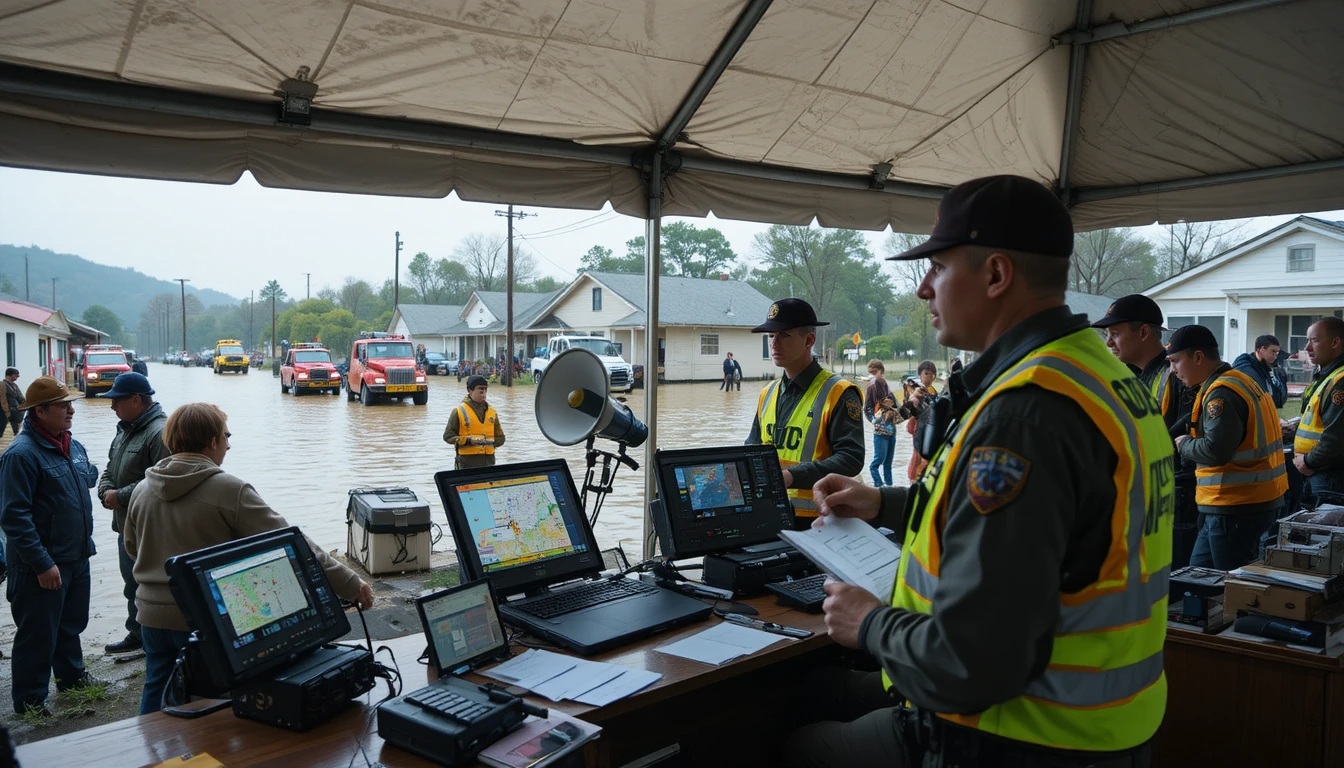
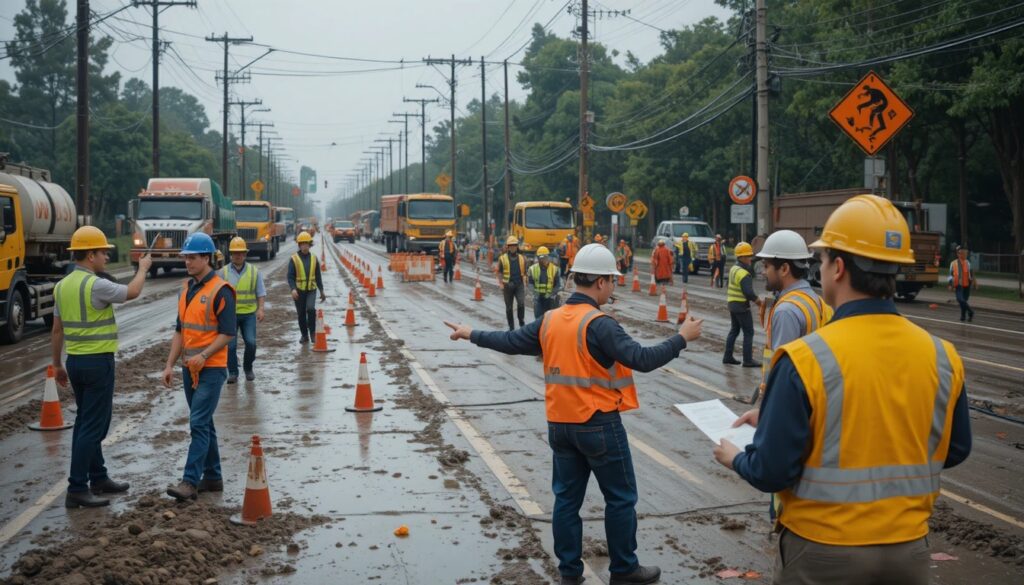
The Authorities of the locality are monitoring the flood situation and is urging residents to evacuate
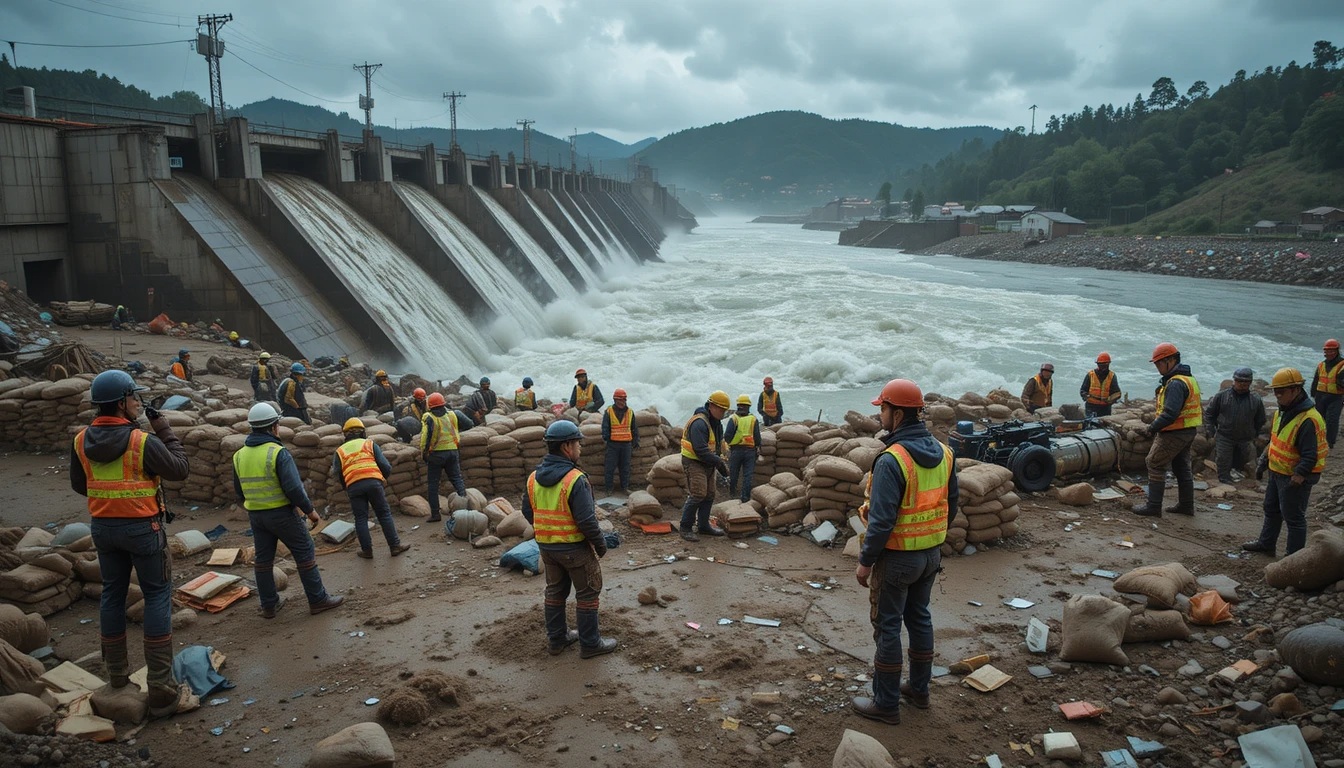

Torrential rains have caused severe flooding, heavy rainfall was recorded
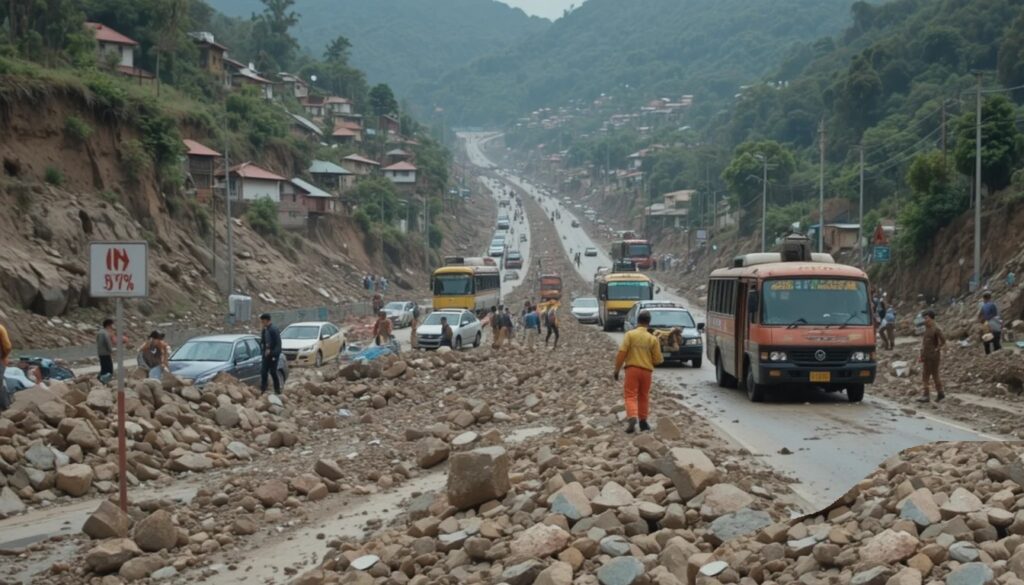
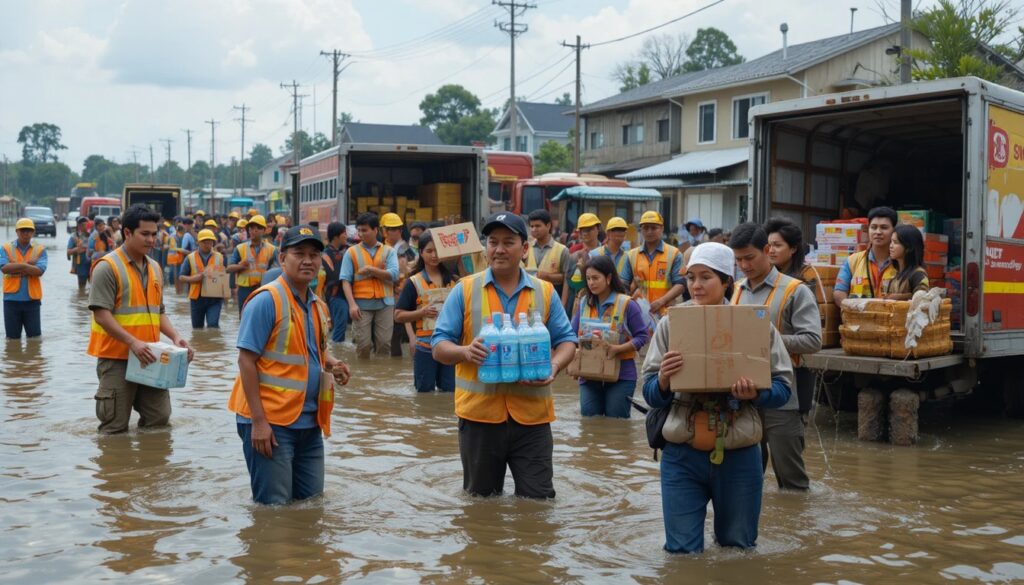
Relentless rain has triggered hundreds of landslides, severing key roads and isolating many communities



TEST YOUR VOCABLARY
VOCABULARY TEST
1. People who have power to make decisions and enforce rules
A. Residents
B. Authorities
C. Communities
D. Agencies
2. Different places or areas in a region
A. Localities
B. Prevent
C. Landslides
D. Measures
3. Asked someone strongly to do something
A. Evacuate
B. Surged
C. Urged
D. Monitor
4. To watch something carefully over time
A. Ensure
B. Monitor
C. Peak
D. Resume
5. Done at the right or needed time
A. Torrential
B. Timely
C. Triggered
D. Priority
6. To move people to a safe place
A. Evacuate
B. Restore
C. Belongings
D. Racing
7. People who live in a place
A. Residents
B. Wards
C. Commutes
D. Dikes
8. To save someone from danger
A. Release
B. Surged
C. Resume
D. Rescue
9. Actions taken immediately during a crisis
A. Emergency response
B. Communities
C. Measures
D. Monitor
10. Very firm rules or controls
A. Strict
B. Surrounding
C. Flash flood
D. Agencies
11. Actions taken to reach a goal or solve a problem
A. Measures
B. Torrential
C. Rushed
D. Dams
12. Structures built to hold back water in rivers
A. Dikes
B. Reservoirs
C. Dams
D. Agencies
13. Walls built to stop water from flooding land
A. Dikes
B. Surged
C. Prioritized
D. Commutes
14. Large lakes used to store water
A. Reservoirs
B. Localities
C. Wards
D. Prevention
15. Moved very quickly
A. Rushed
B. Persist
C. Restore
D. Submerged
16. Changed or harmed by something
A. Affected
B. Triggered
C. Released
D. Persistent
17. Groups of people living in the same area
A. Reservoirs
B. Communities
C. Measures
D. Belongings
18. To make sure something happens
A. Ensure
B. Evacuate
C. Surged
D. Agencies
19. Government offices or service groups
A. Landslides
B. Agencies
C. Commutes
D. Dams
20. Preparing and gathering people or tools to act
A. Mobilizing
B. Surrounded
C. Rushed
D. Affected
21. Supplies or things needed for help and support
A. Flash floods
B. Resources
C. Wards
D. Peak
22. To fix something and bring it back to normal
A. Restore
B. Surged
C. Downpours
D. Monitor
23. To start again after stopping
A. Resume
B. Raced
C. Released
D. Restored
24. Very heavy rain
A. Communities
B. Torrential
C. Residents
D. Belongings
25. The amount of rain that falls
A. Rainfall
B. Triggered
C. Prevention
D. Measures
VOCABULARY TEST
26. Rose or increased very suddenly
A. Surged
B. Monitor
C. Evacuate
D. Upstream
27. Covering with water; flooding
A. Inundating
B. Restore
C. Rushed
D. Authorities
28. Happened during the night
A. Overnight
B. Timely
C. Persistent
D. Peak
29. Caused something to start
A. Triggered
B. Mobilized
C. Prioritized
D. Dikes
30. Rocks and earth falling down a mountain
A. Belongings
B. Measures
C. Landslides
D. Commutes
31. Cutting or breaking off
A. Severing
B. Rushing
C. Surrounding
D. Persist
32. High mountain areas
A. Highlands
B. Reservoirs
C. Wards
D. Dams
33. Sudden, dangerous flooding
A. Flash flood
B. Race
C. Peak
D. Agencies
34. Small government areas or villages
A. Wards
B. Reservoirs
C. Communes
D. Measures
35. Areas inside a town or district
A. Belongings
B. Monitor
C. Wards
D. Circumstances
36. Very heavy rain showers
A. Downpours
B. Communities
C. Surged
D. Resume
37. To continue for a long time
A. Evacuate
B. Persist
C. Rushed
D. Ensure
38. Near or around a place
A. Flash flood
B. Prioritized
C. Surrounding
D. Dikes
39. Moving very fast
A. Racing
B. Restore
C. Triggered
D. Agencies
40. Underwater or covered by water
A. Rushed
B. Submerged
C. Belongings
D. Measures
41. Daily travel to and from work or school
A. Commutes
B. Wards
C. Communities
D. Torrential
42. Things a person owns
A. Belongings
B. Measures
C. Agencies
D. Localities
43. Brought people or equipment to act
A. Mobilized
B. Surrounded
C. Affected
D. Raced
44. The busiest time of year
A. Peak
B. Measures
C. Circumstance
D. Downpours
45. Stopping problems before they happen
A. Prevention
B. Restore
C. Surged
D. Racing
46. Given the most importance
A. Prioritized
B. Submerged
C. Rushed
D. Persistent
47. Toward the place where a river begins
A. Restore
B. Reservoirs
C. Upstream
D. Evacuate
48. Electricity made from water
A. Agencies
B. Hydropower
C. Dams
D. Measures
49. Letting something go, especially water
A. Releasing
B. Rushing
C. Prioritized
D. Timely
50. A situation or condition
A. Commute
B. Circumstance
C. Residents
D. Surrounding
Answer Key (in order):
2B, 1A, 3C, 4B, 5B, 6A, 7A, 8D, 9A, 10A, 11A, 12C, 13A, 14A, 15A, 16A, 17B, 18A, 19B, 20A, 21B, 22A, 23A, 24B, 25A, 26A, 27A, 28A, 29A, 30C, 31A, 32A, 33A, 34C, 35C, 36A, 37B, 38C, 39A, 40B, 41A, 42A, 43A, 44A, 45A, 46A, 47C, 48B, 49A, 50B
TEST YOUR LISTENING SKILLS – ANSWER THE QUESTIONS BELOW
Use desktop mode on mobile devices
COMPREHENSION QUIZ:
- What are authorities in central Vietnam urging localities to do?
A. Build new dams and bridges
B. Closely monitor flooding and evacuate residents
C. Stop rainfall through cloud seeding
D. Delay rescue operations - What measures are in place to protect infrastructure?
A. Rebuilding bridges
B. Protecting dams, dikes, and reservoirs
C. Constructing new highways
D. Increasing airport security - What might schools do depending on local conditions?
A. Extend class hours
B. Open night classes
C. Suspend classes
D. Move classes outdoors - What kind of aid is being rushed to affected areas?
A. Tools and building materials
B. Food, water, and medicine
C. Luxury goods and electronics
D. Farming equipment - What are ministries and agencies mobilizing resources for?
A. To promote tourism
B. To restore transport and repair damage
C. To expand trade
D. To open new hospitals - Which city recorded the heaviest rainfall in Vietnam’s history?
A. Hanoi
B. Da Nang
C. Hue
D. Hoi An - What happened to water levels in the Bo and Hong rivers?
A. They dropped below normal
B. They surged above land level
C. They remained stable
D. They dried up completely - What did Hue Central Hospital do overnight?
A. Closed its emergency department
B. Evacuated patients and equipment to higher floors
C. Sent doctors to Da Nang
D. Built a temporary dam - What have landslides caused in the central highlands?
A. Clearer roads
B. Flood relief centers
C. Severed roads and isolation of thousands
D. New water channels - How much rainfall did some areas receive?
A. Less than 50 mm
B. Exactly 100 mm
C. 100–200 mm or more
D. Around 75 mm - How many communes and wards were under flood and landslide warnings?
A. 200
B. 327
C. 150
D. 500 - What city’s ancient town experienced severe flooding?
A. Hue
B. Da Nang
C. Hoi An
D. Nha Trang - What are local authorities doing to protect residents and tourists?
A. Raising bridge levels
B. Evacuating them to safety
C. Constructing new hotels
D. Encouraging them to stay indoors - What caused severe commutes to be cut off in Da Nang?
A. Broken railways
B. Fast-moving floodwaters
C. Earthquakes
D. Road repairs - How are Hoi An authorities helping tourists?
A. Giving them free hotel stays
B. Mobilizing boats and vehicles for evacuation
C. Providing bicycles
D. Allowing them to stay in temples - What is emphasized as the top priority during flood prevention?
A. Protecting temples
B. Continuing tourism
C. Safety of residents and tourists
D. Restoring internet access - How are authorities assisting people who stay behind?
A. They are sending food deliveries
B. Going door-to-door to guide them out of danger zones
C. Offering free photos of the flood
D. Providing entertainment - What is expected to worsen flooding in Hoi An?
A. Hydropower dams releasing water
B. A typhoon moving north
C. Road repairs blocking drainage
D. Reduced rainfall - What are local officials maintaining to ensure safety?
A. A partial alert
B. A full alert and reinforced evacuation measures
C. Business as usual
D. A low-level watch - What is the overall goal of the authorities’ response?
A. To minimize tourism disruption
B. To ensure everyone’s safety and restore normal life
C. To attract international aid
D. To test new flood equipment
Answer Key:
1B, 2B, 3C, 4B, 5B, 6C, 7B, 8B, 9C, 10C, 11B, 12C, 13B, 14B, 15B, 16C, 17B, 18A, 19B, 20B
ANSWERS: 1-B, 2-C, 3-C, 4-B, 5-C, 6-B, 7-B, 8-C, 9-B, 10-B, 11-A, 12-C, 13-C, 14-B, 15-B, 16-B, 17-C, 18-C, 19-C, 20-B
GRAMMAR TEST
Hover over the blank space (tap & hold then hit the “back” navigation arrow on phones) to reveal the answer
Say the passive voice versions of the following active voice sentences.
Active:
Officials are readying rescue teams and equipment for emergency response.
Passive:
Rescue teams and equipment are being readied for emergency response.
Active:
Authorities are rushing aid, including food, water, and medicine, to affected communities.
Passive:
Aid, including food, water, and medicine, is being rushed to affected communities.
Active:
Floodwaters submerged areas along the Thu Bon and Vu Gia rivers in Da Nang by late afternoon.
Passive:
By late afternoon, areas along the Thu Bon and Vu Gia rivers in Da Nang were submerged.
Active:
Officials always prepare and prioritize evacuation plans.
Passive:
Evacuation plans are always prepared and prioritized by officials.
Active:
Experts expect flooding in Hoi An to worsen.
Passive:
Flooding in Hoi An is expected to worsen.
Active:
Rescue workers are delivering clean water to families trapped by the flood.
Passive:
Clean water is being delivered to families trapped by the flood.
Active:
Volunteers are setting up temporary shelters for displaced residents.
Passive:
Temporary shelters are being set up for displaced residents.
Active:
Engineers repaired the damaged bridge after the storm.
Passive:
The damaged bridge was repaired after the storm.
Active:
Authorities will announce evacuation orders later today.
Passive:
Evacuation orders will be announced later today.
Active:
Emergency crews cleared fallen trees from the main road.
Passive:
Fallen trees were cleared from the main road by emergency crews.
PRONUNCIATION TIPS
How to pronounce the ending SKS and STS sounds (as in ASKS and LISTS)