
VIDEO
TEXT
Spring in the United States and Canada is a season of change, celebration, and outdoor life.
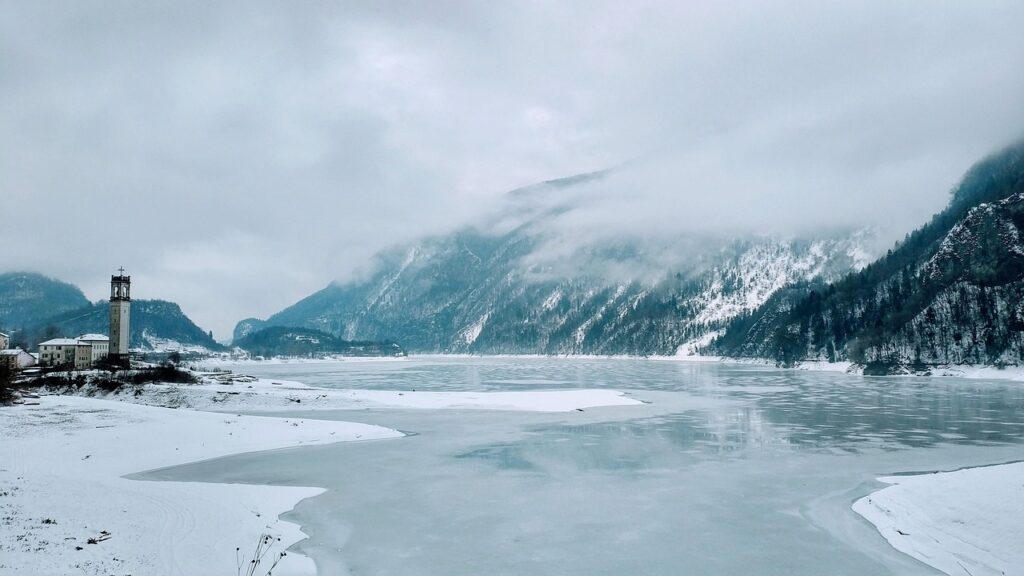
In early spring, nature slowly wakes up. If temperatures rise above freezing, ice on lakes and rivers begins to melt, especially in northern regions. People near the Great Lakes often talk about the yearly “ice-out” date because it means winter is finally ending.
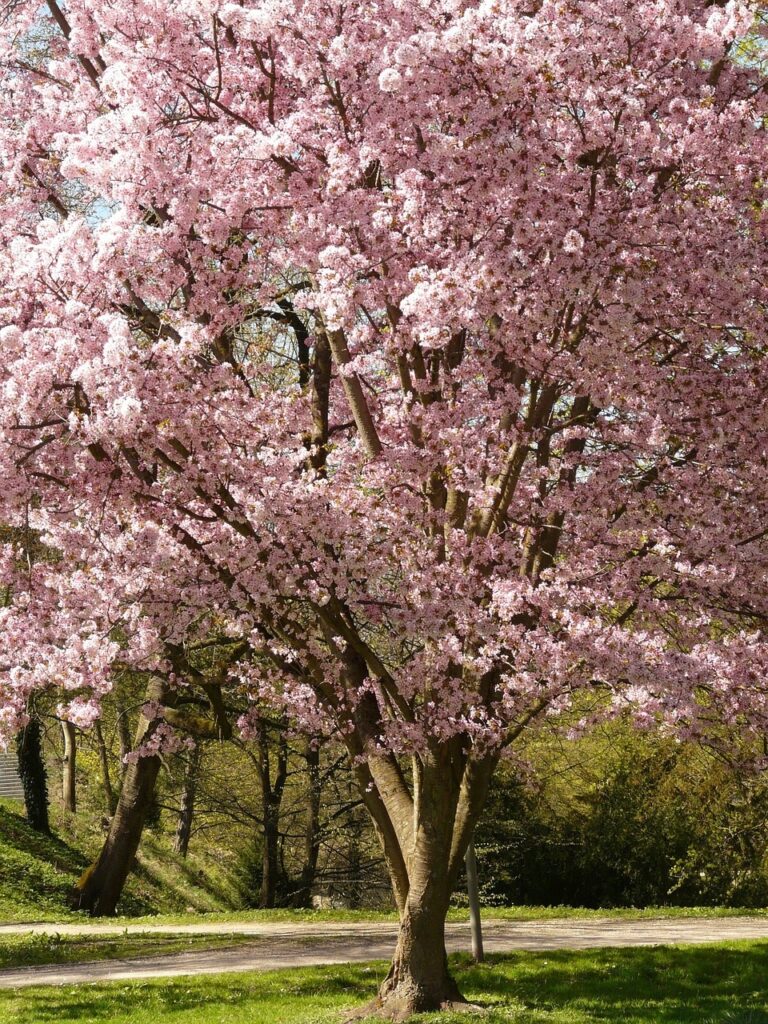
Flowers are among the first signs of the new season. If the ground warms enough, crocuses and tulips appear in gardens and parks. In Washington, DC, the National Cherry Blossom Festival usually happens in March or early April. If you travel north to Toronto or Montreal, the same blossoms normally arrive in early May.
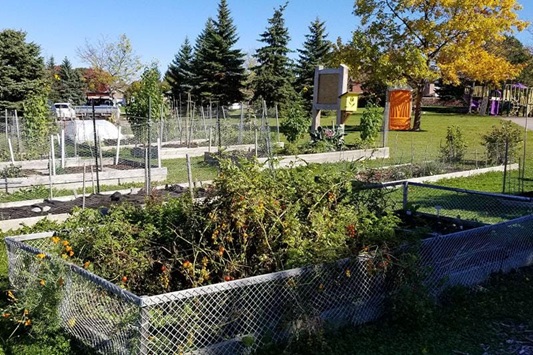
If cities planted more community gardens, students would find it easier to learn about local plants and wildlife.
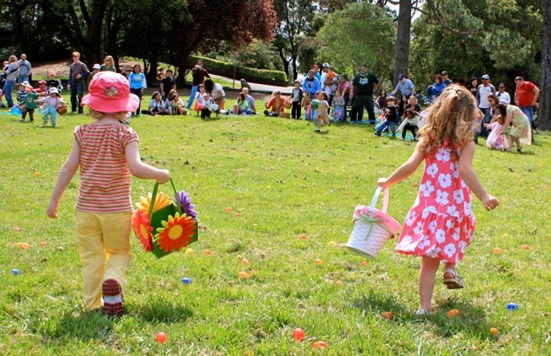
Spring is also full of traditions. Many families celebrate Easter with egg hunts and special meals. If you attend a community event, you may see children searching for colorful eggs in parks.
As the weather improves, outdoor food activities begin. In parts of Canada and the northeastern US, people collect fiddleheads, a wild spring fern. Later, strawberry farms open to visitors. If you go to a pick-your-own farm, you can fill a basket and pay by weight.
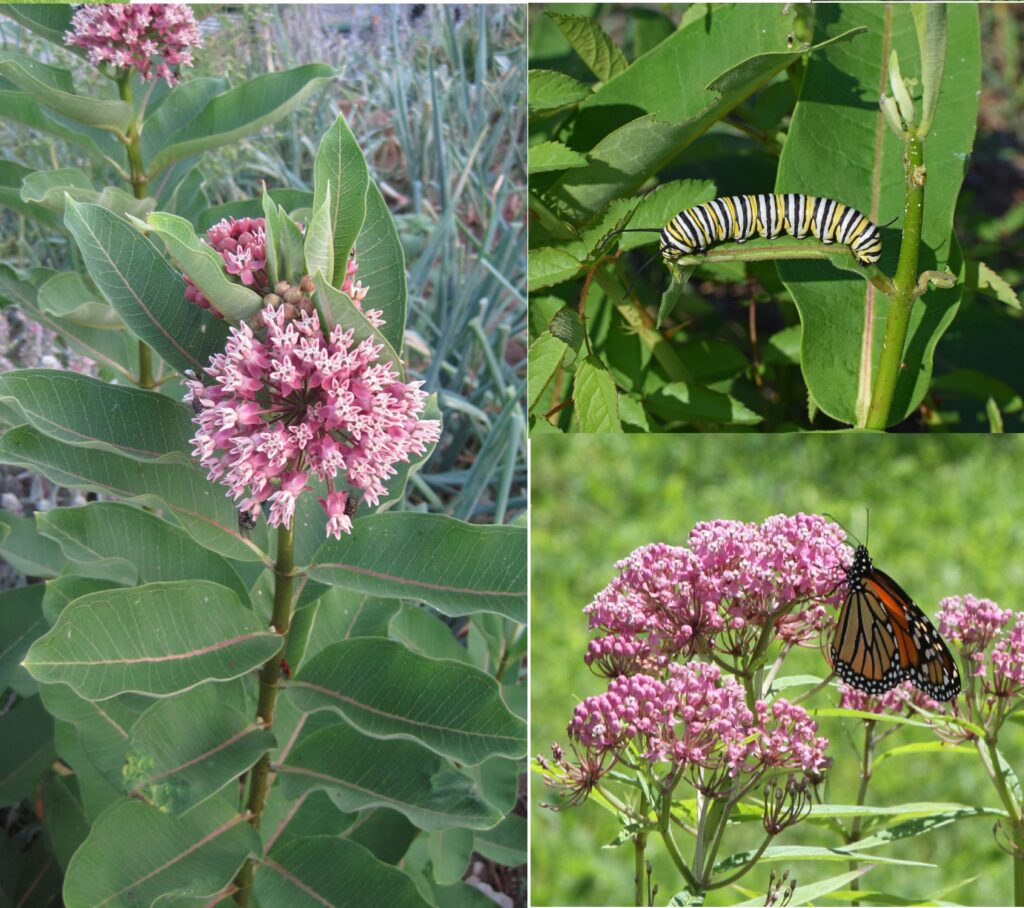
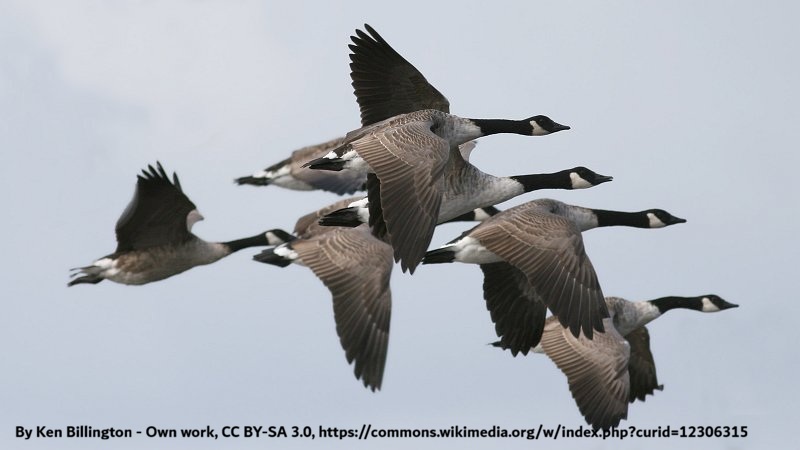
Wildlife becomes more active, too. Monarch butterflies begin migrating north from Mexico in March. Each spring generation lives only about 4 to 6 weeks, so when one generation dies, the next continues the journey northward. If they find enough milkweed along the way to feed themselves and reproduce, the second or third generation reaches Canada around May. Canada geese also fly north in loud V‑shaped groups.
Spring arrives slowly and differently in each region. If you travel from the southern US to Canada, you can experience spring again and again as it moves north.
If the weather were warm all year, people might miss this exciting season of renewal.
If I were visiting North America for the first time in spring, I would travel from the southern US to Canada to experience the season several times.
NEW WORDS
Watch the video to see images of the non‑highlighted words.
Ice-out, crocuses, tulips, Cherry Blossom, festivals, community gardens, traditions, egg hunts, community event, fiddleheads, fern, strawberry, pick-your-own farm, Monarch butterflies, migrating, milkweed, journey, Canada geese, V-shaped groups, renewal
COMPREHENSION
What happens on the ice out date?
Which flowers bloom early in the spring?
In which month is the National Cherry Blossom Festival usually held in Washington DC?
When do cherry blossoms arrive in Toronto?
What can students learn in a community garden?
How do people in Canada and the US celebrate Easter?
What do children do during an egg hunt?
How do you pay for strawberries in a pick-your-own farm?
Can monarch butterflies fly all the way from Mexico to Canada?
What do the worms of the monarch butterflies eat?
How do Canada geese fly when they migrate?
GRAMMAR
SPEAKING PRACTICE
QUESTIONS:
A class of US students is visiting a botanical garden in early spring with a guide.
Pointing at the frozen pond, a student asks why it is frozen. The guide says:
“It’s normal. If __________________________, __________________________.”
As they walk by the crocuses that are starting to pierce through the snow, another student asks what sunlight does to flowers. The guide says:
“If __________________________, __________________________.”
A third student asks if fish survive under the ice during winter. The guide says:
“Yes, but their level of activity depends on the water temperature. If __________________________, ______ more active; if __________________________, ______ quiet.”
Next, they visit the cherry tree area. She explains that the exact date of cherry blossoms depends on the weather:
“If __________________________, ____________ in early March. If __________________________, ___________ in late March.”
“ If she _________________in Canada, ________________ wait until May to see cherry blossoms.”
The class returns to the auditorium to talk about bird and insect migration. The guide shows a video of Canada geese flying north. She says that if __________________________, __________________ in late March; if __________________________, ______________ as late as May.
A student asks, “If __________________________, ____________ geese migrate to the US?”
The teacher answers, laughing, “If __________________________, there _____________ any migratory geese there.”
ANSWERS: (Hover to reveal)
A class of US students is visiting a botanical garden in early spring with a guide.
Pointing at the frozen pond, a student asks why it is frozen. The guide says:
“It’s normal. If the temperature is below 0°C, water freezes.”
As they walk by the crocuses that are starting to pierce through the snow, another student asks what sunlight does to flowers. The guide says:
“If there is more sunlight, flowers grow faster.”
A third student asks if fish survive under the ice during winter. The guide says:
“Yes, but their activity depends on the water temperature. If the water is warm, they are more active; if the water is cold, they are quiet.”
Next, they visit the cherry tree area. She explains that the exact date of cherry blossoms depends on the weather:
“If the weather is warm, they will bloom in early March. If the weather is cold, they will bloom in late March. If she were in Canada, she would have to wait until May to see cherry blossoms.”
The class returns to the auditorium to talk about bird and insect migration. The guide shows a video of Canada geese flying north. She says that if spring in Canada is early, they will arrive there in late March; if spring in Canada is late, they may arrive as late as May.
A student asks, “If Canada were warm year-round, would geese migrate to the US?”
The teacher answers, laughing, “If Canada were warm year-round, there wouldn’t be any migratory geese there.”
EXTERNAL VIDEO
Spring celebration around the world
Listen- Comprehension-Read (Vocabulary, pronunciation) -Grammar- Speaking