A108 Present simple-Daily Routines e107

Theme: Daily routines and every day activities       Grammar: Present tense.


TEXT 

My Daily Routine 

My name is Leo, and this is my daily routine.

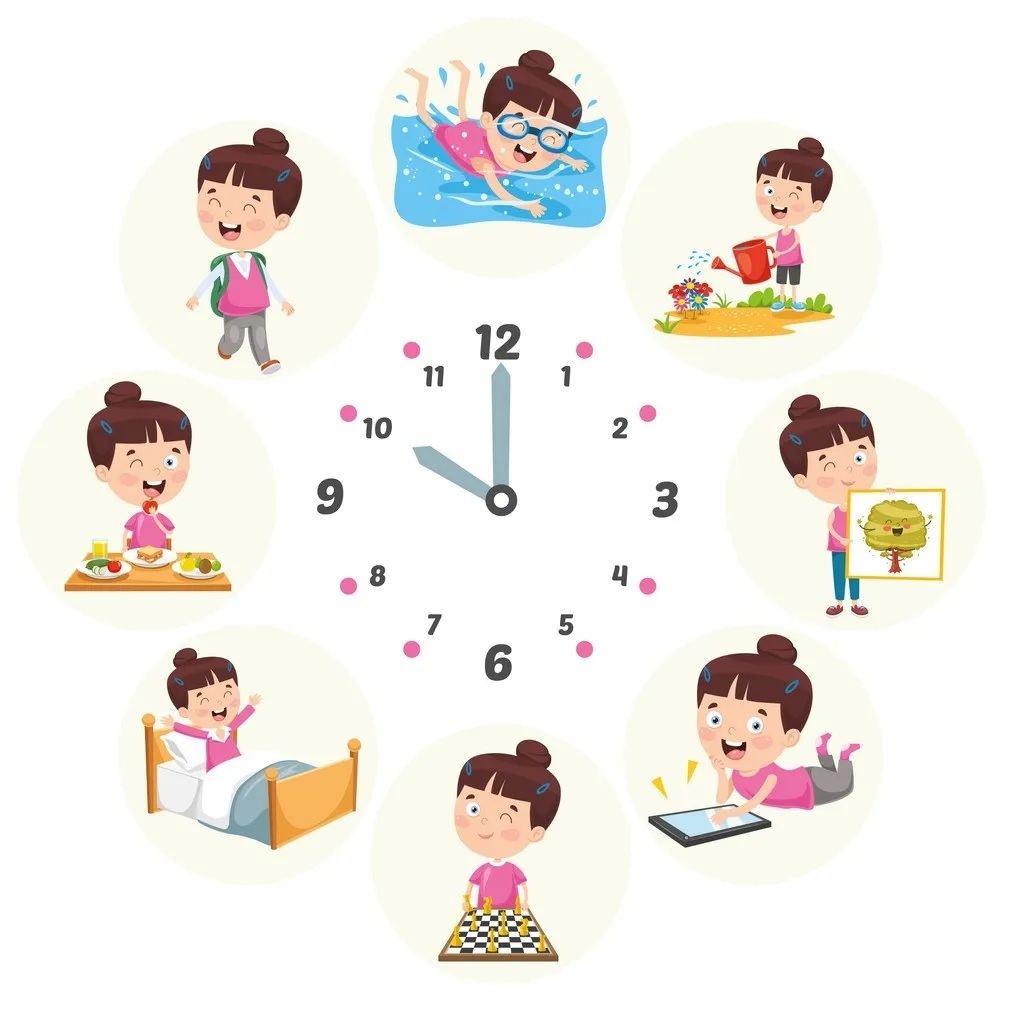
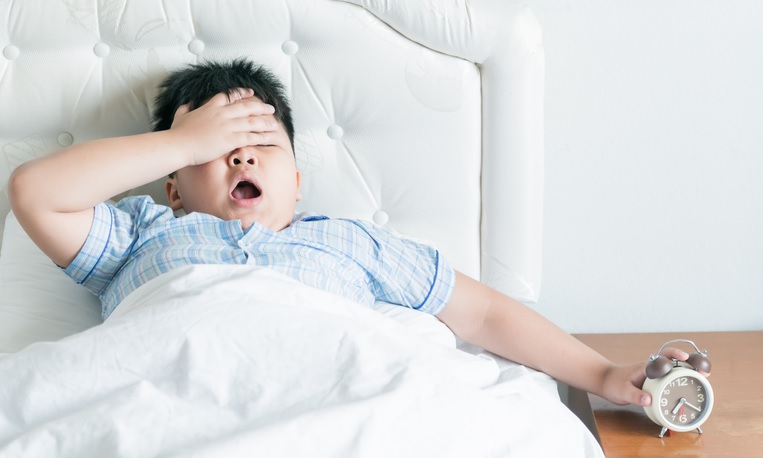
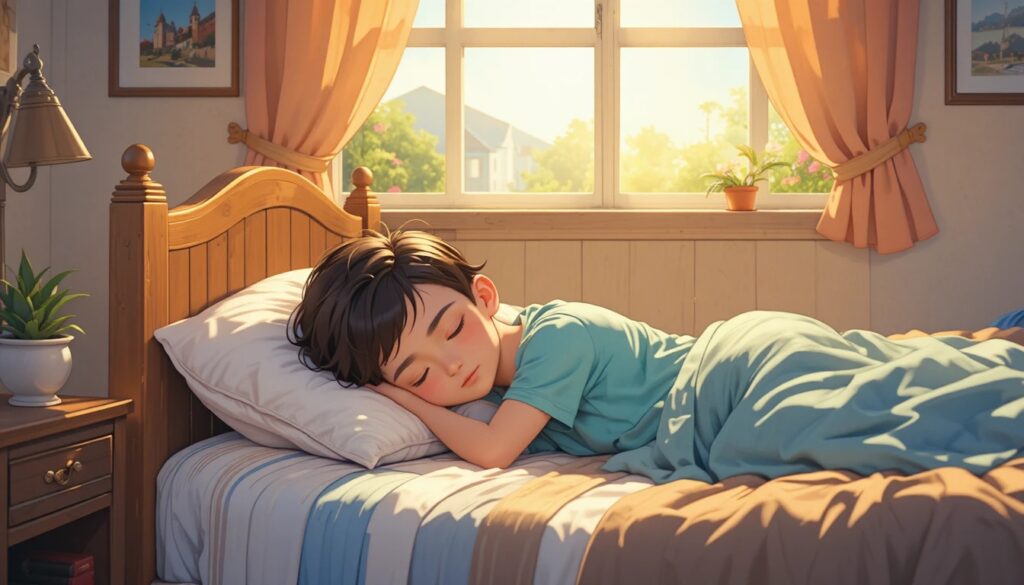
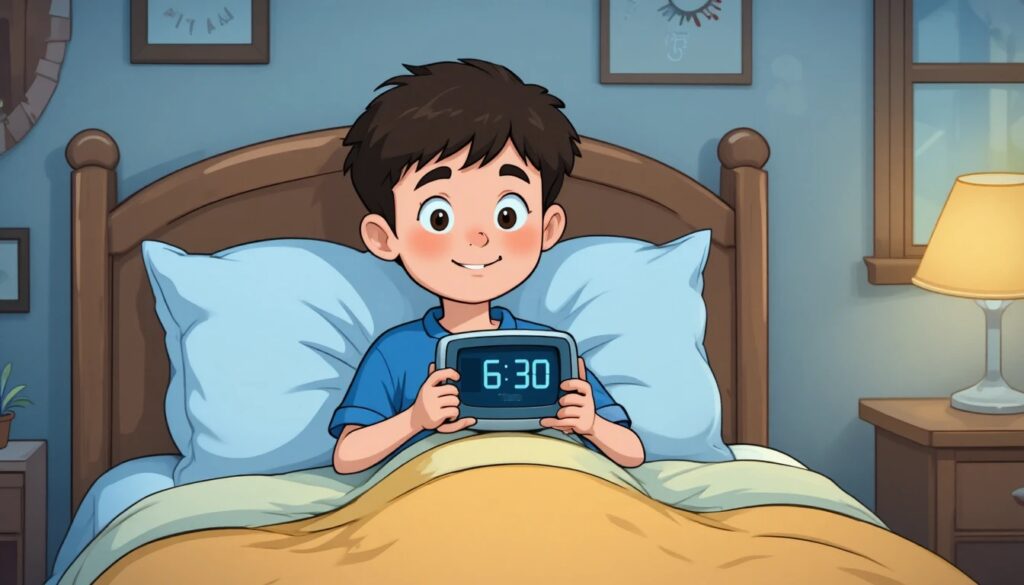
I usually wake up at 6:30 in the morning. I always set the alarm the night before, so I don’t wake up late.

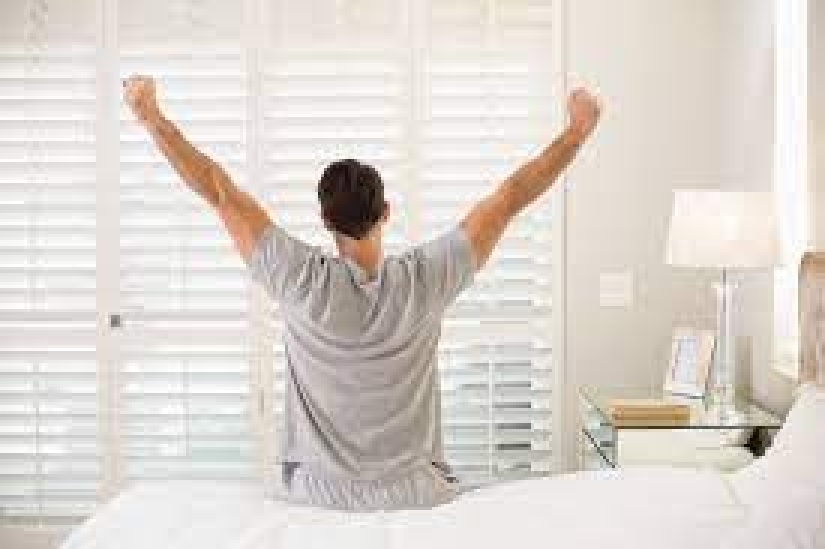
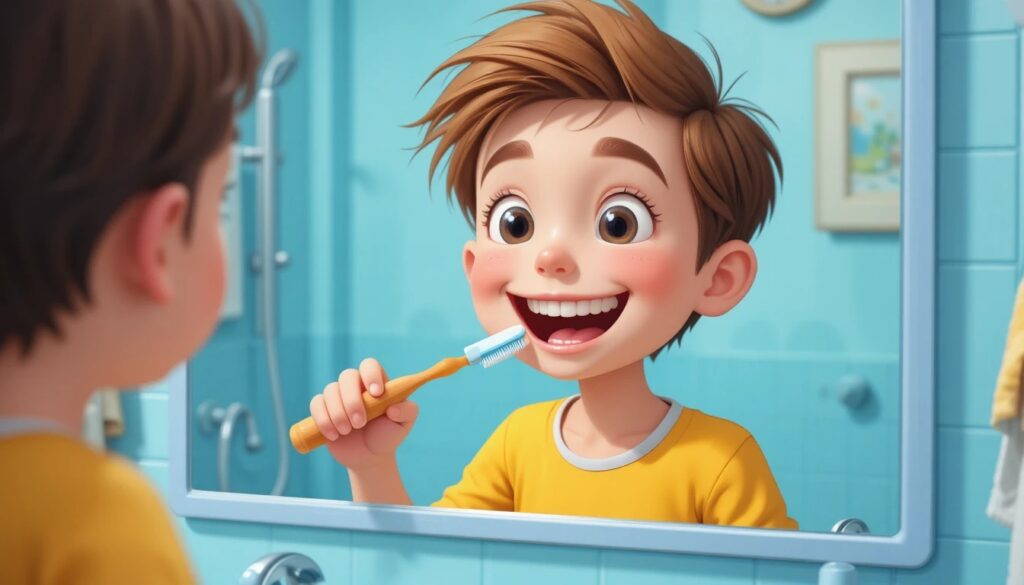
When the alarm rings, I open the window and stretch. Then, I get up and brush my teeth.

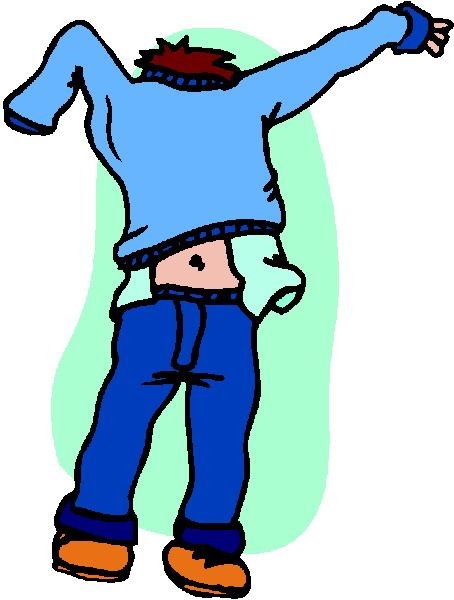
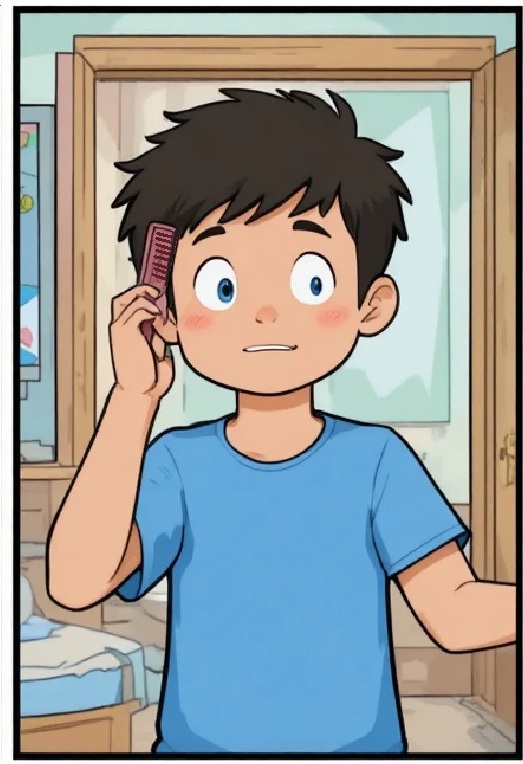
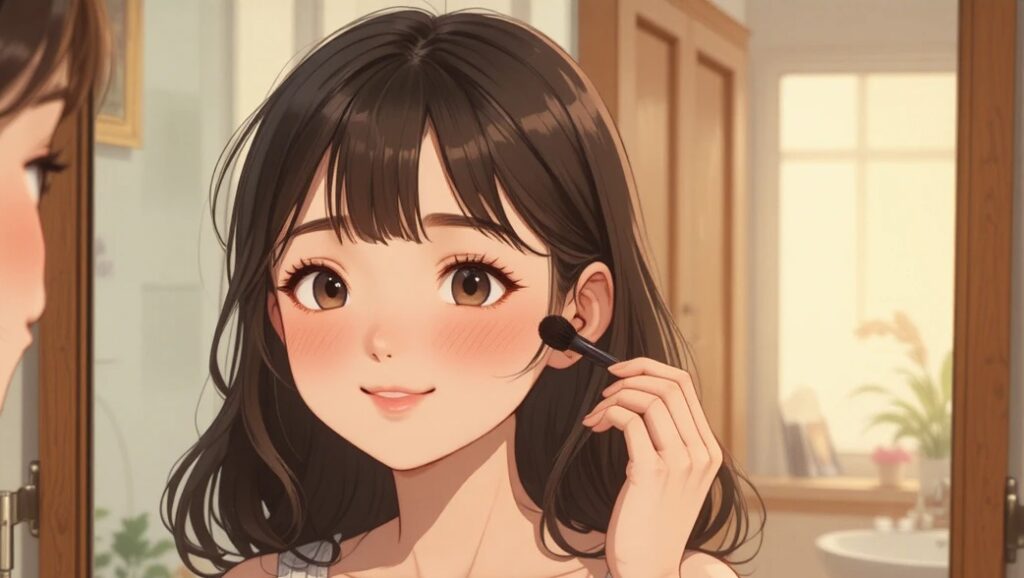
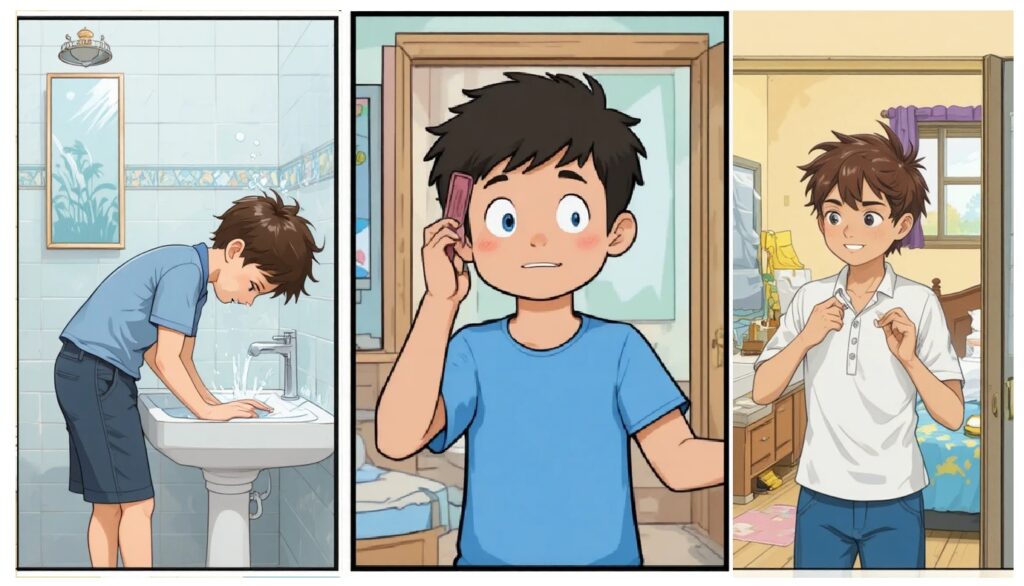
After that, I wash my face, comb my hair, and get dressed. My sister likes to put on makeup in the morning, but I don’t.

At 7:00, I eat breakfast. I usually eat eggs and bread, and I drink a glass of juice. Sometimes I have a small snack if I am still hungry.

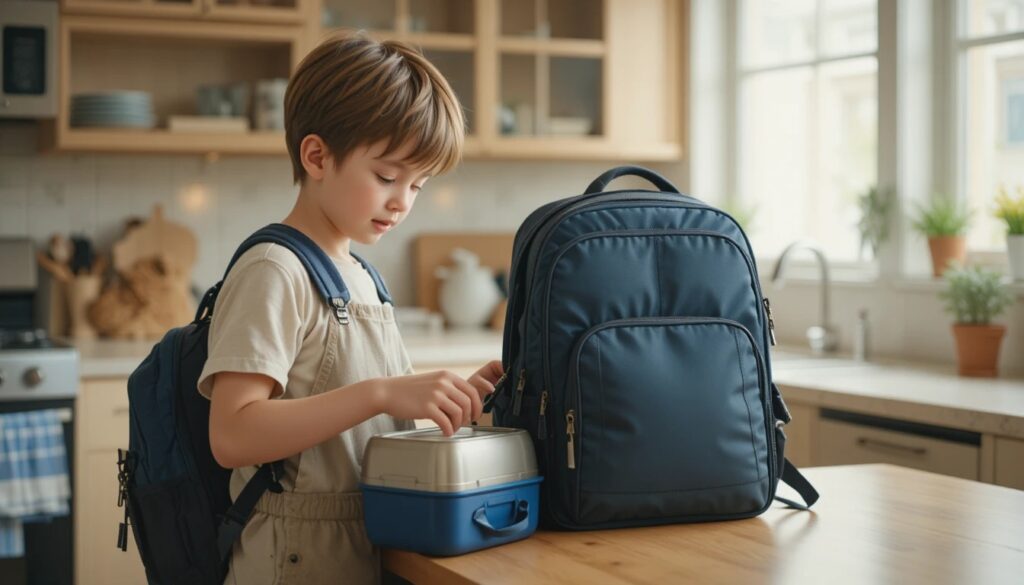
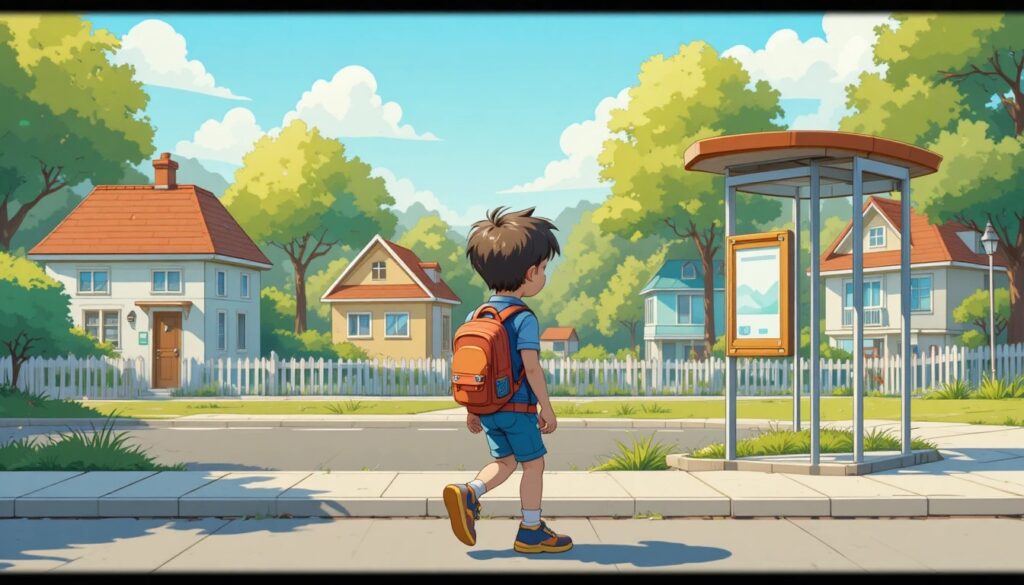
Before I leave home, I pack my lunch in my bag so I can eat it at school. At 7:30, I walk to the bus stop and go to school.

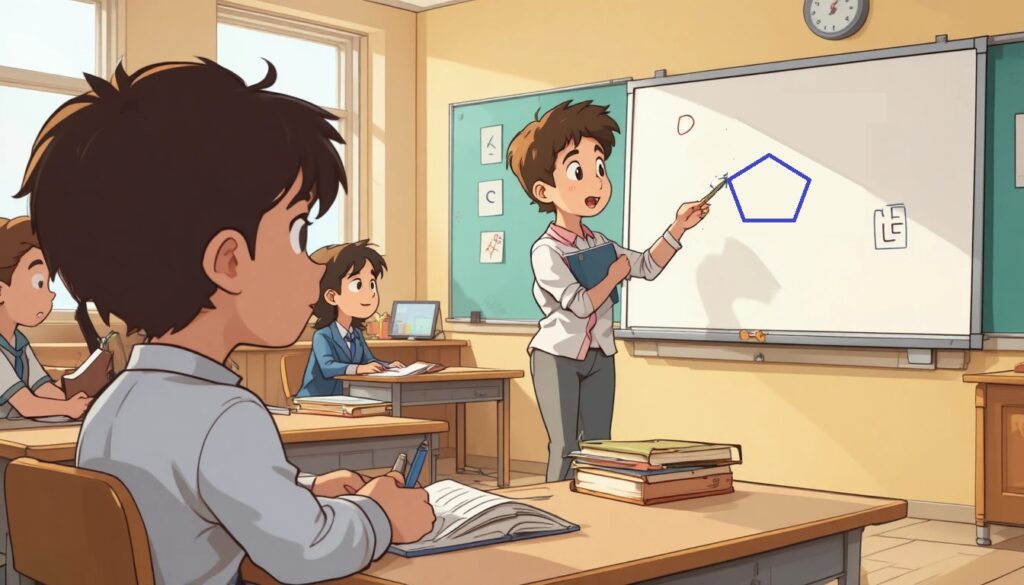
I arrive at school at 8:00. I have classes and study English, math, and science.

At lunchtime, I eat the lunch I packed from home. After school, I sometimes take a nap if I feel tired.

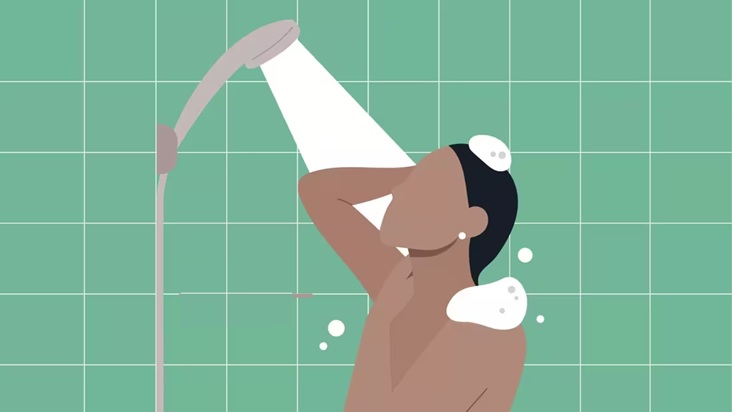
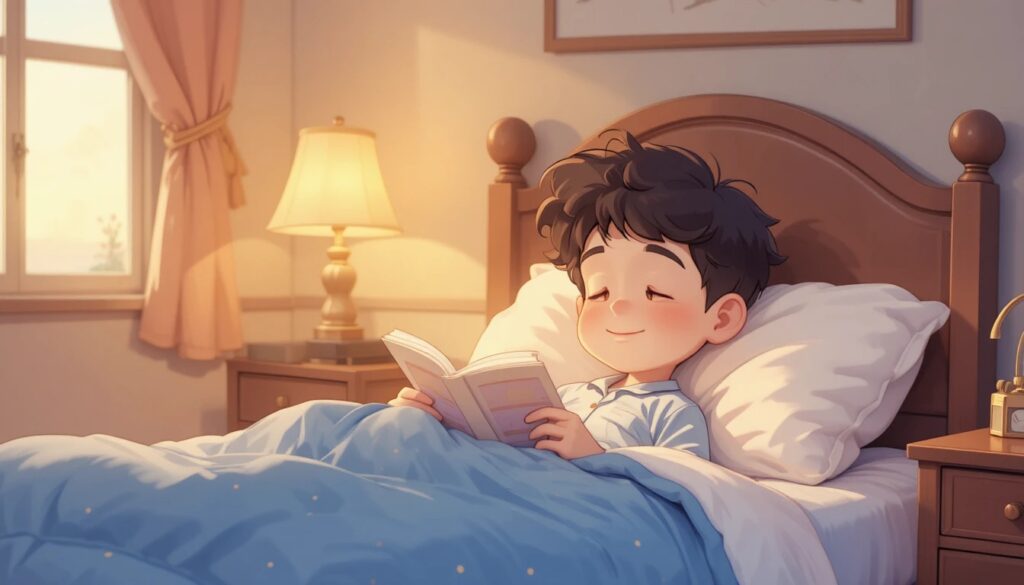
In the evening, I eat dinner with my family. Then, I wash the dishes and relax by watching TV or playing games. Finally, I take a shower and go to bed at around 10:00.

I feel happy and ready for a new day tomorrow

NEW WORDS

Routine. Stretch. Cafeteria. Favorite. Shower. Wake up. Get up. Get dressed. Comb hair. Put on makeup. Snack. Wash dishes. Relax. Take a nap. Set the alarm.

Routine: Things you do every day in the same way

Stretch: Make to arms straight and long to feel loose.

Cafeteria: A place at school where students eat

Favorite: The thing you like the most.

Shower: A place to wash your body while standing under water.

Wake up: Stop sleeping.

Get up: Leave your bed after sleeping

Get dressed: Put on your clothes.

Comb hair: Make your hair neat using a comb

Put on make up: Add color to your face to look nice

Snack: A small amount of food you eat between meals

Wash dish: Clean plates, cups, and bowls with water and soap.

Relax: Rest and feel calm

Take a nap: Sleep for a short time during the day

Set the alarm: Program a clock to ring at a time you choose

TEST YOUR VOCABULARY

  1. Things you do every day in the same way.
    A) Surprise
    B) Hobby
    C) Vacation
    D) Routine
  2. Make to arms straight and long to feel loose.
    A) Jump
    B) Stretch
    C) Sleep
    D) Sit
  3. A place at school where students eat.
    A) Kitchen
    B) Park
    C) Cafeteria
    D) Office
  4. The thing you like the most.
    A) Boring
    B) Favorite
    C) Common
    D) New
  5. A place to wash your body while standing under water.
    A) Brush
    B) Shower
    C) Run
    D) Sleep
  6. Stop sleeping.
    A) Wake up
    B) Eat
    C) Break
    D) Drive
  7. Leave your bed after sleeping.
    A) Arrive
    B) Get up
    C) Cry
    D) Sit down
  8. Put on your clothes.
    A) Eat breakfast
    B) Get dressed
    C) Sleep late
    D) Watch TV
  9. Make your hair neat using a comb.
    A) Wash clothes
    B) Comb hair
    C) Open the door
    D) Tie shoes
  10. Add color to your face to look nice.
    A) Put on makeup
    B) Drink water
    C) Brush teeth
    D) Laugh
  11. A small amount of food you eat between meals.
    A) Snack
    B) Dinner
    C) Salad
    D) Market
  12. Clean plates, cups, and bowls with water and soap.
    A) Sweep floor
    B) Wash dishes
    C) Fold clothes
    D) Watch TV
  13. Rest and feel calm.
    A) Shout
    B) Hurry
    C) Relax
    D) Study hard
  14. Sleep for a short time during the day.
    A) Dance
    B) Take a nap
    C) Eat lunch
    D) Talk loudly
  15. Program a clock to ring at a time you choose.
    A) Turn off the lights
    B) Set the alarm
    C) Close the window
    D) Wash hands

Answer Key (word list)

1-Routine, 2-Stretch, 3-Cafeteria, 4-Favorite, 5-Shower, 6-Wake up, 7-Get up, 8-Get dressed, 9-Comb hair, 10-Put on makeup, 11-Snack, 12-Wash dishes, 13-Relax, 14-Take a nap, 15-Set the alarm

COMPREHENSION QUESTIONS

Comprehension Quiz:

1. What time does Leo usually wake up?
A. 5:00
B. 6:30
C. 7:30
D. 8:00

2. What does Leo do when the alarm rings?
A. He eats breakfast.
B. He opens the window and stretches.
C. He goes to school.
D. He takes a nap.

3. What does Leo do after he brushes his teeth?
A. He washes his face and combs his hair.
B. He leaves home.
C. He eats lunch.
D. He goes to bed.

4. Who likes to put on makeup in the morning?
A. Leo
B. His mother
C. His sister
D. His friend

5. What does Leo usually drink for breakfast?
A. Milk
B. Juice
C. Coffee
D. Tea

6. What does Leo pack before he leaves home?
A. His books
B. His lunch
C. His toys
D. His clothes

7. What time does Leo arrive at school?
A. 7:00
B. 8:00
C. 9:00
D. 10:00

8. What subjects does Leo study?
A. English, math, and science
B. Art, music, and sports
C. History and geography
D. Cooking and dancing

9. What does Leo sometimes do after school when he is tired?
A. He plays games.
B. He takes a nap.
C. He goes shopping.
D. He cleans his room.

10. What does Leo do in the evening before going to bed?
A. He goes to school.
B. He practices soccer.
C. He relaxes and takes a shower.
D. He wakes up again.

Answer Key: 1-B, 2-B, 3-A, 4-C, 5-B, 6-B, 7-B, 8-A, 9-B, 10-C

GRAMMAR  EXERCISES

FILL IN THE BLANKS

1. I usually wake up at 6:30 in the morning.

Negative:
I do not usually wake up at 6:30 in the morning.

Question:
Do I usually wake up at 6:30 in the morning?


2. I always set the alarm the night before, so I don’t wake up late.

Negative:
I do not always set the alarm the night before, so I might wake up late.

Question:
Do I always set the alarm the night before so I do not wake up late?


3. I usually have eggs and bread.

Negative:
I do not usually have eggs and bread.

Question:
Do I usually have eggs and bread?


4. Sometimes I have a small snack if I am still hungry.

Negative:
I sometimes do not have a small snack if I am still hungry.

Question:
Do I sometimes have a small snack if I am still hungry ?


5. After school, I sometimes take a nap if I feel tired.

Negative:
Sometimes I do not take a nap after school if I feel tired.

Question:
Do I sometimes take a nap after school if I feel tired?

MORE GRAMMAR  EXERCISES

https://learnenglish.britishcouncil.org/grammar/a1-a2-grammar/present-simple

PRONUNCIATION TIPS

Video Link

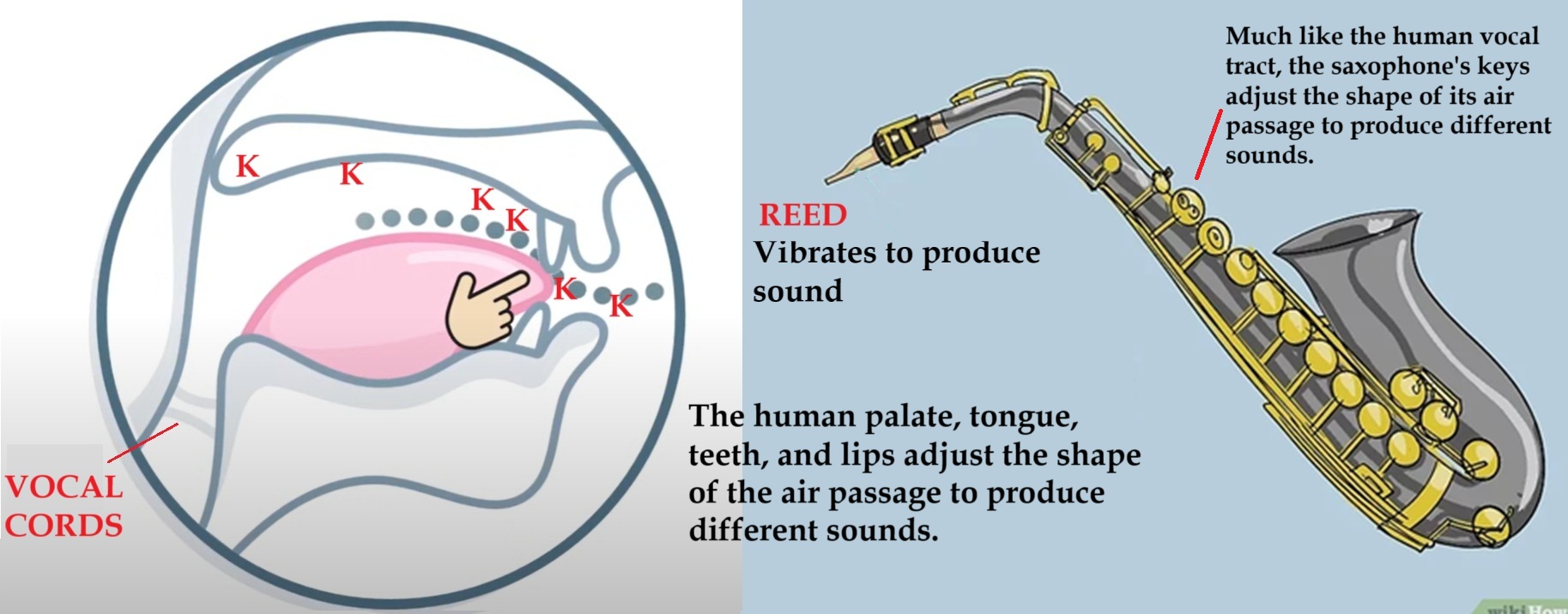
How different sounds are produced